

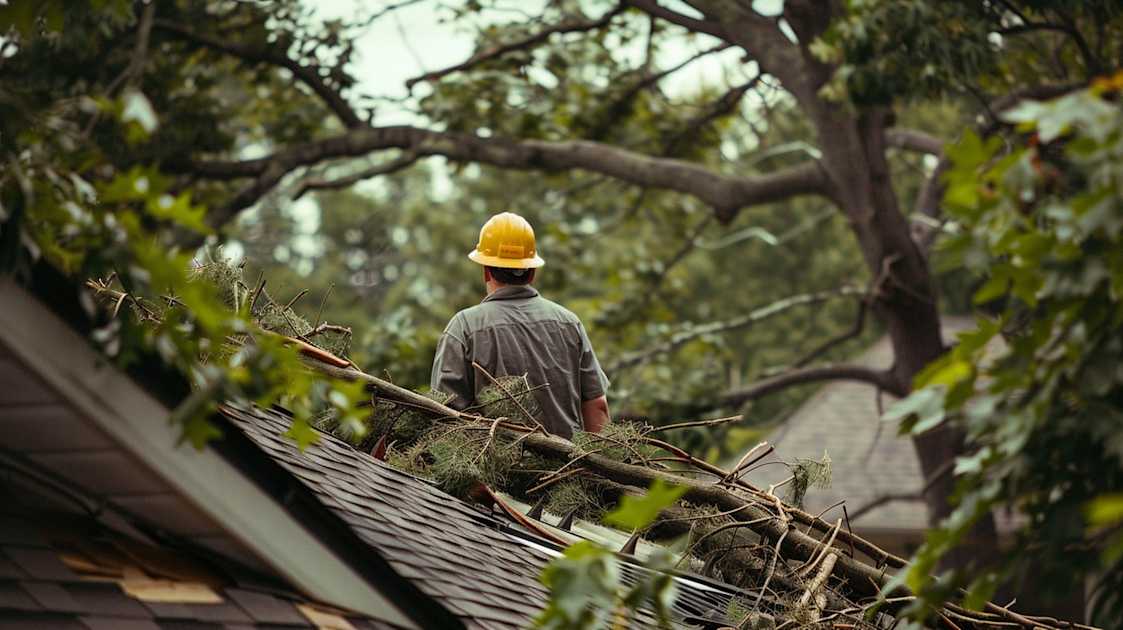


Storms can cause havoc to your property, leaving behind a trail of destruction that requires immediate repair. Understanding the nuances of storm damage repair is crucial for homeowners who want to restore their properties efficiently and prevent further damage. In this extensive guide, we will explore everything you need to know about storm damage repair, from assessing the damage to choosing the right repair strategies.
The Impact of Storm Damage
Storms are unpredictable and can vary in severity. They can include hurricanes, tornadoes, hailstorms, and even severe thunderstorms. Each of these weather events has the potential to cause significant damage to your property. Common forms of storm damage include:
- Roof Damage: High winds and hail can rip shingles off your roof or cause severe leaks.
- Water Damage: Heavy rains can lead to flooding, affecting your home's foundation, walls, and flooring.
- Wind Damage: Strong winds can topple trees and power lines, damaging your home's exterior.
- Hail Damage: Hailstones can dent or crack your siding, roof, and vehicles.
- Debris Impact: Flying debris can break windows, damage walls, and destroy landscaping.
Understanding these impacts is the first step in planning effective storm damage repair.
Assessing the Damage
Before you begin any repair work, conducting a thorough assessment of the damage is critical. Here’s how you can effectively assess storm damage:
Conduct a Visual Inspection
- Exterior Examination: Walk around the perimeter of your property to identify visible damage to the roof, siding, windows, and gutters.
- Interior Check: Look for leaks, water stains, and signs of structural damage inside your home.
- Landscaping and Driveways: Assess fallen trees, damaged plants, and cracked driveways or sidewalks.
Document the Damage
- Take photographs and videos to provide a visual record of the damage.
- Create a detailed list of all the damages observed.
- Note any immediate risks, such as broken glass or unstable structures.
Prioritizing Immediate Repairs
Safety should be your top priority. Certain repairs need immediate attention to prevent further damage or potential hazards:
- Seal Roof Leaks: Use tarps or plastic sheeting to temporarily cover any roof leaks.
- Address Electrical Hazards: If power lines are down, avoid the area and contact local authorities.
- Remove Tree Branches: Safely remove fallen branches or trees from your property.
- Board Up Broken Windows: Prevent debris from entering your home by boarding up shattered windows.
Navigating Insurance Claims
Filing an insurance claim is an essential part of storm damage repair. Here’s how you can navigate the claims process effectively:
Understand Your Coverage
- Review your homeowner’s insurance policy to understand what storm damage it covers.
- Note any deductibles or coverage limits.
File a Claim Promptly
- Contact your insurance company as soon as possible after the storm.
- Provide the documentation you gathered during your initial assessment.
Work with Insurance Adjusters
- Cooperate with the insurance adjuster assigned to your claim.
- Be present during their inspection to ensure nothing is overlooked.
Planning Your Repair Strategy
Once your claim is in motion, begin planning your repair strategy:
Hiring a Professional Contractor
Selecting the right contractor is crucial for a successful repair job. Look for:
- Experience and Reputation: Choose contractors with experience in storm damage repair and positive reviews.
- Licencing and Insurance: Ensure the contractor is licensed and insured to protect against any liabilities.
- Written Estimates: Obtain detailed estimates from multiple contractors to compare pricing and services.
DIY Repairs
For smaller, manageable tasks, DIY repairs can be a cost-effective option. Here's a list of common DIY activities:
- Clearing Debris: Safely remove small tree branches and debris.
- Minor Roof Repairs: Replace a few damaged shingles or apply sealant to small leaks.
- Gutter Cleaning: Remove leaves and debris from gutters to ensure proper drainage.
Key Considerations for Repairs
- Weather Conditions: Plan your repairs for dry weather to avoid complications.
- Material Quality: Invest in high-quality materials for durability and longevity.
- Building Codes: Follow local building codes and regulations to avoid fines or issues.
Long-term Prevention Strategies
Preventing future storm damage is just as important as repairing current issues. Consider implementing these strategies:
- Reinforce Roofing: Invest in storm-resistant roofing materials and techniques.
- Install Storm Shutters: Protect windows from wind and debris with sturdy storm shutters.
- Landscaping Adjustments: Trim trees regularly and choose wind-resistant plants for your landscape.
- Improve Drainage: Ensure proper grading around your home and maintain clean gutters to prevent water accumulation.
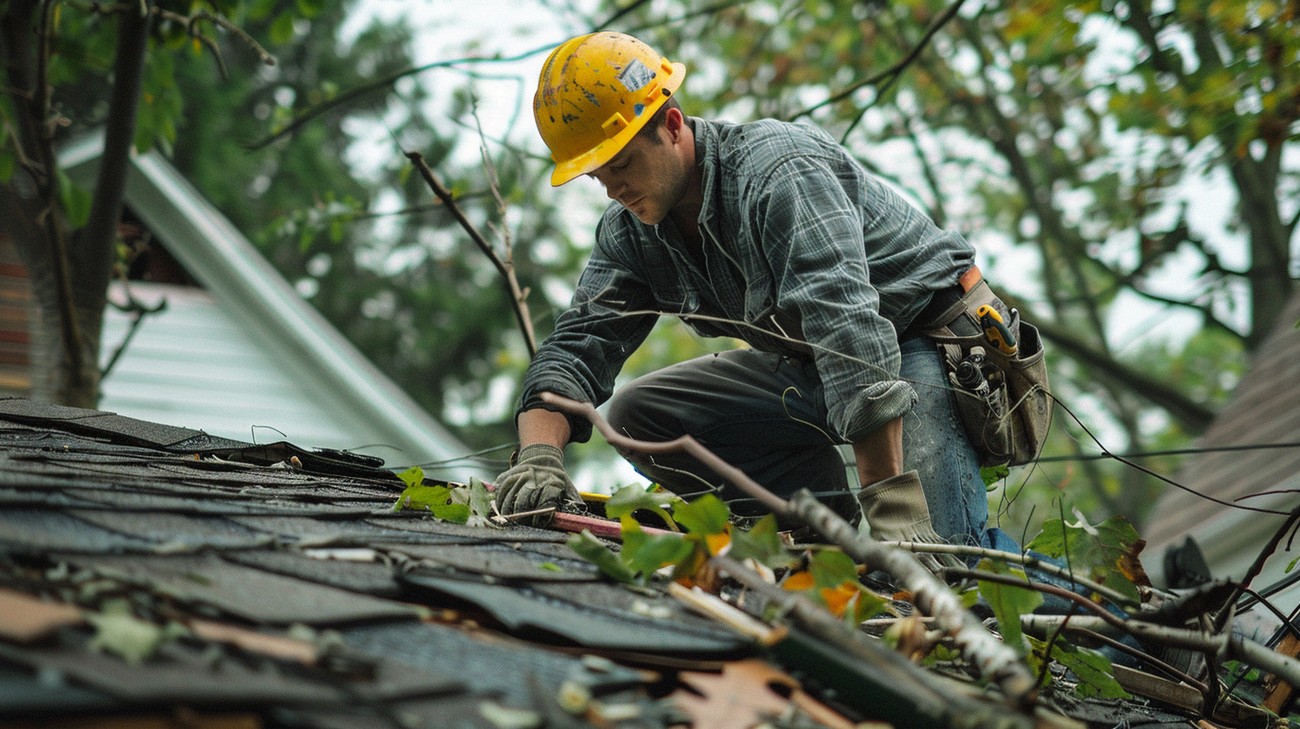
Frequently Asked Questions About Storm Damage Repair
How do I start the storm damage repair process?
After a storm, it's crucial to assess the damage as soon as possible. Begin by inspecting your property carefully and documenting any visible issues with photos or videos. This documentation will be useful when you contact your insurance company. Next, reach out to a reputable storm damage repair contractor to discuss the inspection and get an estimate for repairs. Make sure to prioritize urgent issues, such as leaks or structural damage, to prevent further problems.
What should I look for in a storm damage repair contractor?
When searching for a storm damage repair contractor, consider their experience, certifications, and reputation. Look for contractors who specialize in storm damage and have a track record of satisfied customers. Check online reviews and ask for referrals from friends or family who have undergone similar repairs. Ensure they are licensed and insured in your area, and request a detailed, written estimate before any work begins.
How can I tell if my roof has storm damage?
Signs of storm damage on a roof can be subtle or obvious, depending on the severity of the storm. Look for missing, damaged, or curling shingles, dents in metal components, or granule loss on asphalt shingles. Indoors, keep an eye out for water stains on ceilings, walls, or near fireplaces. If you're uncertain about the extent of the damage, hiring a professional roof inspector can provide clarity and guide your storm damage repair efforts.
Does homeowner's insurance cover all types of storm damage?
Homeowner's insurance typically covers a wide range of storm-related damages, such as wind, hail, and heavy rain. However, coverage may vary based on your policy and location. Standard policies might not cover flood damage or require a separate flood insurance policy for such events. It's essential to review your insurance policy carefully and contact your insurance agent to understand what storm damage repair costs are covered and which ones you might need to cover out-of-pocket.
How do I file an insurance claim for storm damage repairs?
Filing an insurance claim for storm damage repair can be straightforward. Start by contacting your insurer as soon as possible to report the damage. Provide them with the documentation you've gathered, including photos and detailed notes. An adjuster will likely be sent to assess the damage in person. Once the damage is verified, your insurer will process the claim and offer a payout based on your policy terms. Work closely with your contractor to ensure estimates align with the coverage offered.
What kind of storm damage can trees cause to my property?
Fallen trees and branches due to storms can cause significant damage to roofs, windows, vehicles, and even outdoor structures like fences or sheds. Large trees can pose a risk to the structural integrity of your home if they fall. Additionally, smaller branches and debris can clog gutters, leading to water damage. It's vital to include tree-related damages in your storm damage repair assessment and take preventive measures, like regular tree trimming, to minimize risk.
Can storm damage lead to mold issues?
Yes, storm damage that results in water intrusion can lead to mold growth if not addressed promptly. Moist environments behind walls, under flooring, or in attic spaces create ideal conditions for mold. Signs of mold can include musty odors, discoloration on surfaces, and health symptoms like allergies or respiratory issues. Effective storm damage repair should involve drying out the affected areas quickly and thoroughly to prevent mold from taking hold.
How can I prevent storm damage in the future?
While no method can make a home completely storm-proof, several precautions can help minimize potential storm damage. Regular maintenance of your home, such as roof inspections and ensuring gutters and drainage systems are clear, can make a big difference. Reinforcing windows and doors with impact-resistant materials and securing loose outdoor items can also prevent damage. Consulting a storm damage repair specialist can provide more tailored recommendations based on your property's specific vulnerabilities.
Is emergency storm damage repair necessary?
Yes, emergency storm damage repair is crucial to prevent further destruction and ensure the safety of the occupants. Immediate concerns like roof leaks, broken windows, or compromised electrical systems must be addressed quickly. Temporary solutions, like tarping a roof or boarding up windows, can prevent additional damage until permanent repairs are made. Prioritize these repairs with the help of a professional contractor to ensure that all safety concerns are adequately addressed.
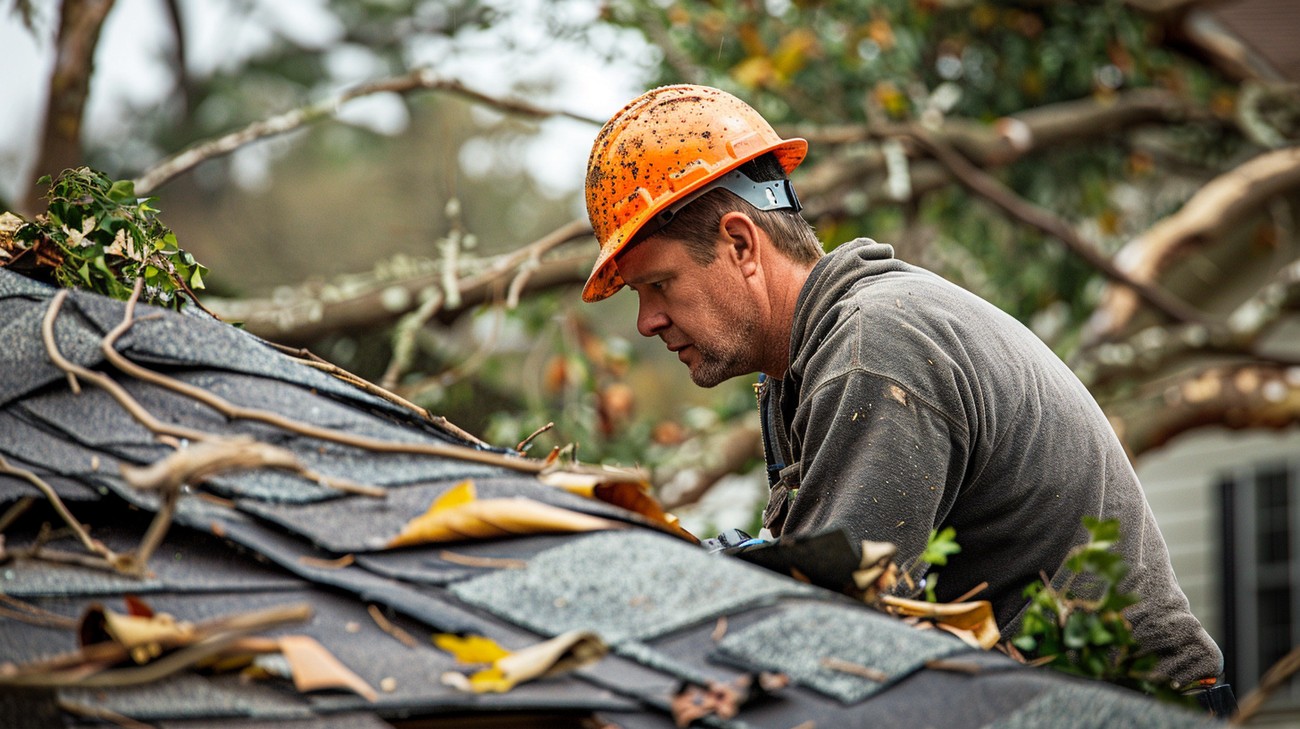
Cost Breakdown
Typical Price Ranges
Storm damage repair can vary widely in cost, depending on the extent of the damage and the area of the home affected. On average, you might expect to pay anywhere from $2,000 to $10,000 for moderate repairs. Minor repairs, such as replacing a few shingles, might cost between $200 and $600. However, if you need major repairs due to extensive water damage or structural issues, costs can easily soar above $20,000 or more. It's essential to get a detailed quote from a contractor to understand what your bill might look like.
Factors That Affect Cost
Several factors can influence the cost of storm damage repair. First, consider the type of damage. For instance, roof repair generally falls between $300 and $1,200, but if a full replacement is necessary, the price could jump to $7,000 or more. Water damage is another hefty expense, often costing between $1,000 and $5,000 for repairs.
Location also plays a crucial role. Costs can be higher in urban areas compared to rural ones due to differences in labor and material costs. Furthermore, the severity of the storm and subsequent damage directly affect costs. A weak storm might leave minimal damage, while a hurricane could devastate your home's structure.
Cost Comparison (Budget vs. Premium Options)
When examining budget versus premium options in storm damage repair, consider both materials and service quality. Basic repairs with cheaper materials might seem like a bargain initially, potentially ranging from $2,000 to $3,500. These materials might not have the longevity or resilience of premium alternatives.
On the other hand, investing in higher-quality materials and services might increase your initial costs to anywhere from $5,000 to $10,000, but this can pay off. Premium materials are typically more durable and could prevent further damage in future storms, saving you money in the long run. It's essential to know that skilled labor often accompanies these premium services, ensuring better performance and durability.
Hidden Costs to Consider
Unexpected expenses can arise during storm damage repairs, and it's wise to be prepared. Hidden costs might include permit fees, which can range from $50 to $200, depending on your location and the scale of the repairs. Mold remediation is another unforeseen cost that can add anywhere from $500 to $3,000 to your bill if water damage leads to mold growth. Additionally, there may be costs related to temporary housing if your home is uninhabitable during the repairs.
Other potential hidden costs could include disposal fees for debris, asbestos testing, or pest extermination services, all of which add unexpected figures to the final tally.
Ways to Save Money
There are several strategic ways to save money on storm damage repair. First, homeowners insurance might cover some or even most of the repair costs. It's advisable to read your policy carefully and consult with your insurer. Hiring a general contractor with a strong reputation who provides a comprehensive quote can help you avoid unnecessary expenses. Timing your repairs can also yield savings. Scheduling work during the off-season when contractors are less busy might result in discounts. Don't shy away from getting a second opinion or quote to ensure you’re receiving a fair price. Additionally, some repairs can be DIY, especially simpler tasks like minor damages or clearing debris, saving on labor costs. For materials, consider generics or fewer aesthetic materials that might offer similar durability without the hefty price tag associated with premium products. Lastly, check for local government or community programs offering aid for storm damage repairs, which might save you significant amounts, particularly in areas frequently impacted by storms.

Timeline & Process
Phase 1: Initial Assessment and Reporting (2-3 Days)
The initial step begins immediately after the storm. It usually takes around 2-3 days. During this period, assess the damage yourself. Take detailed notes and photographs of all affected areas, including exterior and interior damage. It’s crucial to report this to your insurance company promptly.
Dependencies and Waiting Periods: Wait for your insurance adjustor to arrange an inspection. This may take an additional day or two.
Preparation: Gather all necessary documents, including insurance policy information, any home improvement records, and previous repair documents, to streamline the process.
Phase 2: Insurance Claim Process (1-2 Weeks)
Filing the insurance claim typically lasts 1-2 weeks. Once you've submitted your assessment and photos, an insurance adjuster will visit your property for an official evaluation. They will verify and document the damage to process your claim.
Dependencies and Waiting Periods: The speed of this phase highly depends on the insurance company's efficiency and the volume of claims being processed after a major storm.
Preparation: Follow up regularly with your insurance company. Be available to provide any additional information they may need. Studying your policy can be helpful to understand what's covered.
Phase 3: Selecting Contractors and Obtaining Estimates (1 Week)
After your claim is approved, you can start the process of selecting contractors. This phase is around a week-long. Obtain estimates from multiple contractors to ensure fair pricing and quality service.
Dependencies and Waiting Periods: Some contractors may have waiting periods based on their availability and workload, especially after large-scale storms.
Preparation: Research and reach out to reputable contractors early. Check their references and credentials to ensure reliable work.
Phase 4: Contract Finalization and Scheduling (3-5 Days)
Once you've chosen a contractor, the next step is finalizing the contract. This phase typically requires 3-5 days. Pay special attention to the scope of work, timelines, and payment terms.
Dependencies and Waiting Periods: This step depends on the contractor’s speed in delivering a final contract.
Preparation: Discuss and clarify any uncertainties in the contract. Having an attorney review the terms could be beneficial for large projects.
Phase 5: Repair Work and Restoration (2-6 Weeks)
This is the core phase, where repair and restoration take place. Depending on the extent of damage, this can last from 2 to 6 weeks.
Dependencies and Waiting Periods: Weather conditions and availability of materials can impact the timeline.
Preparation: Arrange temporary living arrangements if necessary and secure valuables.
Phase 6: Final Inspection and Project Closeout (1 Week)
Post-repair, conduct a final inspection with your contractor. This phase typically takes about a week. Check whether all agreed-upon work is completed to your satisfaction.
Dependencies and Waiting Periods: You might need to wait for final paperwork or receipts from your contractor.
Preparation: Cross-reference the repair work with the initial agreement and insurance claim. Address any discrepancies immediately.
Final Thoughts
When it comes to storm damage repair, staying proactive is essential to protecting your home and preventing further issues down the line. We know how unpredictable the weather can be, especially here in Kansas City, MO, where storms can cause significant damage to roofs, siding, and gutters. It’s crucial to act quickly and seek professional assistance to evaluate the damage and implement effective repairs before minor issues escalate into major problems.
If you’re uncertain about the extent of the damage or what steps to take next, we’re here to help! Our team at US Quality Construction is committed to serving homeowners in Kansas City, MO, with reliable expertise and compassionate support. Feel free to reach out to us for a consultation or to request a free estimate. Let’s work together to ensure your home is safe and sound after the storm.
Tags: emergency services, property restoration, weather damage,