

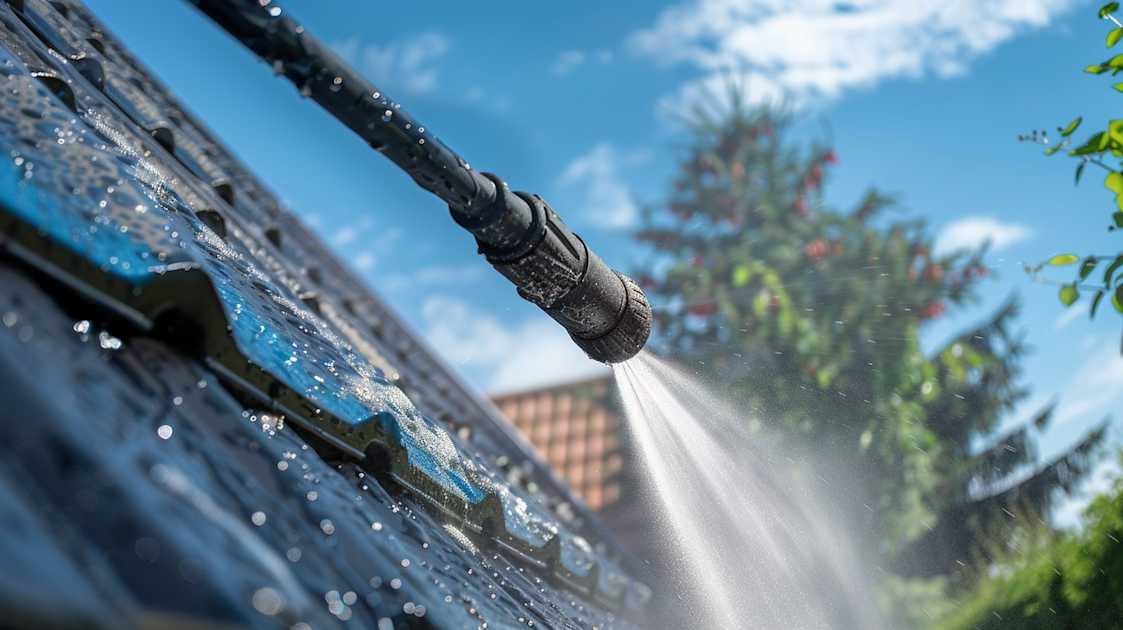


Vinyl siding is a popular choice for homeowners due to its durability, low maintenance, and aesthetic appeal. Over time, however, environmental elements can cause dirt, grime, mold, and mildew to accumulate on your siding, diminishing its appearance and potentially leading to damage if not addressed. Pressure washing is an effective method to clean and maintain vinyl siding, restoring its beauty and prolonging its life. This comprehensive guide will cover everything you need to know about pressure washing vinyl siding.
Understanding Vinyl Siding
Vinyl siding is favored for its resilience and ability to withstand weather changes. Yet, like any exterior surface, it requires routine cleaning to maintain its look and function. Vinyl siding can become a breeding ground for algae, mildew, and other contaminants, especially in humid climates or shady areas. This section will outline the characteristics of vinyl siding and why pressure washing is an ideal cleaning method.
Benefits of Pressure Washing
Pressure washing your vinyl siding has numerous benefits. Not only does it enhance your home's curb appeal, but it also helps:
- Prevent Damage: Removing dirt and grime can prevent more significant damage like mold and mildew formation, which can penetrate and weaken the siding.
- Increase Longevity: Routine cleaning can extend the lifespan of your siding, ensuring it stays aesthetically pleasing for years.
- Improve Health: Eliminating mold and mildew growth can improve air quality around your home.
Choosing the Right Pressure Washer
Selecting the right pressure washer is crucial to executing a successful cleaning project. Consider the following when choosing a pressure washer for vinyl siding:
- Pressure Rating: Opt for a pressure washer with a PSI (pounds per square inch) rating between 1,300 and 1,600 to avoid damaging the siding.
- Water Flow Rate: A GPM (gallons per minute) of about 2.0 is effective for removing stubborn dirt.
- Nozzle Tips: Use a 25-degree or 40-degree nozzle tip to disperse water over a broader area, reducing the risk of any damage.
Preparing for Pressure Washing
Preparation is key to a smooth and effective pressure washing session. Here's a checklist to follow before getting started:
- Inspect Siding: Check for any cracked, loose, or damaged pieces of siding and repair them before washing.
- Clear the Area: Remove any obstacles like outdoor furniture, lawn decorations, and potted plants from around the home.
- Protect Plants and Fixtures: Cover nearby plants with plastic sheeting, and tape over light fixtures to prevent water damage.
- Close Windows and Doors: Make sure all windows and doors are tightly closed to prevent water from seeping inside.
How to Safely Pressure Wash Vinyl Siding
When pressure washing vinyl siding, it's important to employ the correct technique to avoid damage:
- Apply Detergent: Use a cleaning solution specifically designed for use with pressure washers and vinyl siding. Apply it with a low-pressure nozzle.
- Let It Sit: Allow the detergent to sit for about 5-10 minutes but don't let it dry.
- Rinse Vertically: Starting from the top, rinse off the detergent using a medium-pressure nozzle. Work in a vertical sweeping manner to avoid streaks.
- Mind the Distance: Maintain a consistent distance between the nozzle and the siding, ideally at 3-4 feet away to prevent damage.
Important Tips
- Do not linger too long on one spot.
- Do not spray water upward as it can force its way behind the siding.
- Avoid electrical fixtures and outlets.
Cleaning Solutions for Pressure Washing
Using the right cleaning solution can make all the difference. Some options include:
- Commercial Solutions: Ready-made specifically for pressure washers and safe for vinyl siding.
- DIY Mix: Combine a mix of vinegar and water, or a mixture of dish soap, bleach, and water for tough stains. Ensure thorough rinsing to prevent damage from the bleach.
Finishing Touches
After pressure washing, there are a few additional steps to ensure the job is complete:
- Final Inspection: Check for any spots that may have been missed and need a second pass.
- Clean Up Workspace: Tidy away equipment, and dispose of plastic sheeting and any residue properly.
- Inspect for Damage: A final inspection of the siding for any signs of damage that may need attention.
Maintaining Your Vinyl Siding
To keep your vinyl siding looking its best, consider these maintenance tips:
- Regularly Inspect: Routine inspections will identify algae, mold, or any required repairs early.
- Trim Vegetation: Trim trees and bushes to prevent moisture accumulation and direct sunlight exposure.
- Gutter Maintenance: Keep gutters clear to prevent overflow that can lead to siding damage.
FAQ Section: Pressure Washing Vinyl Siding
How often should I pressure wash my vinyl siding?
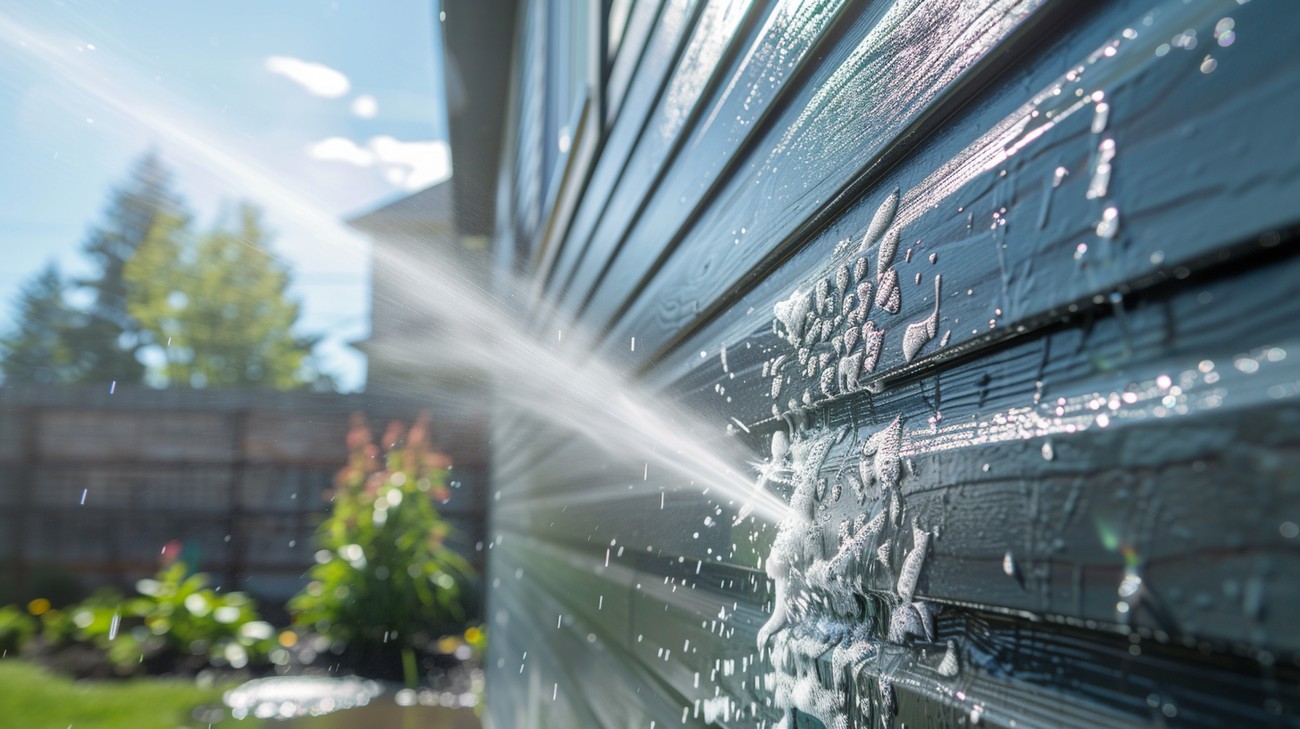
Pressure washing your vinyl siding at least once a year is generally recommended to maintain its appearance and structural integrity. Factors like location, climate, and surrounding environment can necessitate more frequent cleanings. For instance, if you live in an area with heavy pollen, dust, or pollution, or if your home is near trees that shed sap or debris, you might need to pressure wash more often. Regular cleaning not only keeps your siding looking fresh but also helps in removing contaminants that could lead to permanent staining or damage.
Can pressure washing damage vinyl siding?
Yes, using a pressure washer with too much force or an inappropriate technique can damage vinyl siding. High pressure can cause water to penetrate beneath the siding surface, potentially leading to mold and mildew growth. It can also strip off the paint or finish, leading to discoloration. To prevent damage, it's crucial to use a moderate pressure setting and aim the washer nozzle at a downward angle. Maintaining a safe distance, especially during pressure washing, is essential to avoid applying too much pressure to the vinyl siding.
What PSI should I use to pressure wash vinyl siding?
A PSI (pounds per square inch) range between 1,300 to 1,600 is generally safe and effective for pressure washing vinyl siding. Lower pressure helps prevent damage while still effectively cleaning off dirt and grime. Always start at the lower end to test the pressure on a less visible section of the siding. Adjust as needed based on the results but avoid exceeding this range. Ensuring the right PSI will help maintain the structure and color of your vinyl siding without causing harm.
Is there a particular detergent I should use?
Using a detergent specifically formulated for vinyl siding is ideal when pressure washing. These detergents are designed to effectively remove dirt, mold, mildew, and stains without damaging the surface. Look for biodegradable options that are gentle on the environment, and always read the label for any specific instructions regarding its use with a pressure washer. Mixing the detergent according to the manufacturer's instructions ensures the best results when cleaning vinyl siding.
Why is it important to start from the bottom when pressure washing?
Starting from the bottom and working your way up when pressure washing vinyl siding helps prevent streaks and allows for a more uniform cleaning process. This technique ensures that detergent and water runoff doesn't leave dirty streaks below the area you're cleaning. It also gives you better control over the areas you have already washed, ensuring that each section of your vinyl siding receives adequate attention and care.
How do I properly rinse off the detergent?
To effectively rinse off the detergent after pressure washing your vinyl siding, use a wide spray pattern setting on your pressure washer and work from the top of the siding downwards. This rinsing method helps avoid streaking and ensures that any remaining detergent gets thoroughly washed away. Pay extra attention to areas where detergent might collect, such as corners or crevices, to ensure there's no residue left behind. A thorough rinse will leave your vinyl siding clean and shiny.
Can I pressure wash vinyl siding myself, or should I hire a professional?
Plenty of homeowners successfully pressure wash their vinyl siding themselves, but it depends on your comfort level with the equipment and the size of the job. If you're experienced with using a pressure washer and confident in following the necessary precautions, it's certainly possible to tackle this project on your own. However, if you're unsure or have a large or complicated area to clean, hiring a professional might be a safer and more efficient option. Pros have expertise and equipment to do the job effectively and can help avoid any potential damage to your siding.
What should I do if I notice mold or mildew during pressure washing?
If you notice mold or mildew on your vinyl siding during pressure washing, you should first apply a mold-killing detergent to the affected areas. These specialty cleaners help break down mold and prevent its recurrence. Scrub the area gently with a brush, if necessary, before rinsing thoroughly with your pressure washer. If mold or mildew covers a significant area or keeps returning, it might be worth consulting a professional to address any underlying issues that could be encouraging its growth.
Are there any precautions I should take before starting?
Before starting to pressure wash vinyl siding, clear the area around your home, moving obstacles and protecting plants with coverings if necessary. Shut off power to any exterior outlets to avoid electrical hazards, and check that your windows and doors are tightly shut. Inspect your siding for any areas that might need repairs, such as cracks or loose panels, and address these issues beforehand. Being well-prepared will ensure a safer, more effective cleaning process.
Can I use hot water for pressure washing vinyl siding?
Using hot water for pressure washing vinyl siding is generally not recommended. Vinyl is sensitive to high temperatures, which could warp or damage its structure. Cold or warm water is sufficient for cleaning purposes and safer for the material. If you're dealing with stubborn stains or mold, a quality cleaning detergent is a better solution than increasing water temperature. Always focus on using appropriate techniques rather than relying on hotter water for cleaning your vinyl siding.
Step-by-Step Guide
Tools/Materials Needed
- Pressure washer
- Pressure washer nozzle (25-degree or 40-degree recommended)
- Extension wand
- Soft-bristle brush or scrub brush
- Vinyl-safe cleaning solution or mild detergent (check manufacturer’s recommendations)
- Garden hose
- Safety goggles
- Rubber gloves
- Drop cloth or plastic sheeting
- Ladder (if needed)
Preparation Steps
Check the Weather: Ensure that your chosen cleaning day is dry and calm. Rain and wind can interfere with your work and leave streaks on the siding.
Clear the Area: Move outdoor furniture, potted plants, and any other obstacles away from the work area. This will prevent potential damage and give you ample room to move around.
Cover Nearby Plants: Use a drop cloth or plastic sheeting to cover plants and shrubs close to your siding. This will protect them from the cleaning solution and high-pressure water.
Secure Windows and Doors: Ensure all windows and doors are tightly sealed to prevent water from entering your home.
Detailed Instructions
Select the Right Nozzle: Attach a 25-degree or 40-degree nozzle to the pressure washer. This nozzle setting provides a wide spray that's effective at cleaning without causing damage to the siding.
Mix the Cleaning Solution: Prepare a vinyl-safe cleaning solution according to the manufacturer’s directions. Pour this into the pressure washer’s detergent reservoir.
Test the Pressure: Begin cleaning in an inconspicuous area to ensure the pressure setting is safe for your siding. Adjust as necessary.
Start from the Bottom: Begin pressure washing from the bottom of the siding and work your way up. This prevents streaks and detergent buildup.
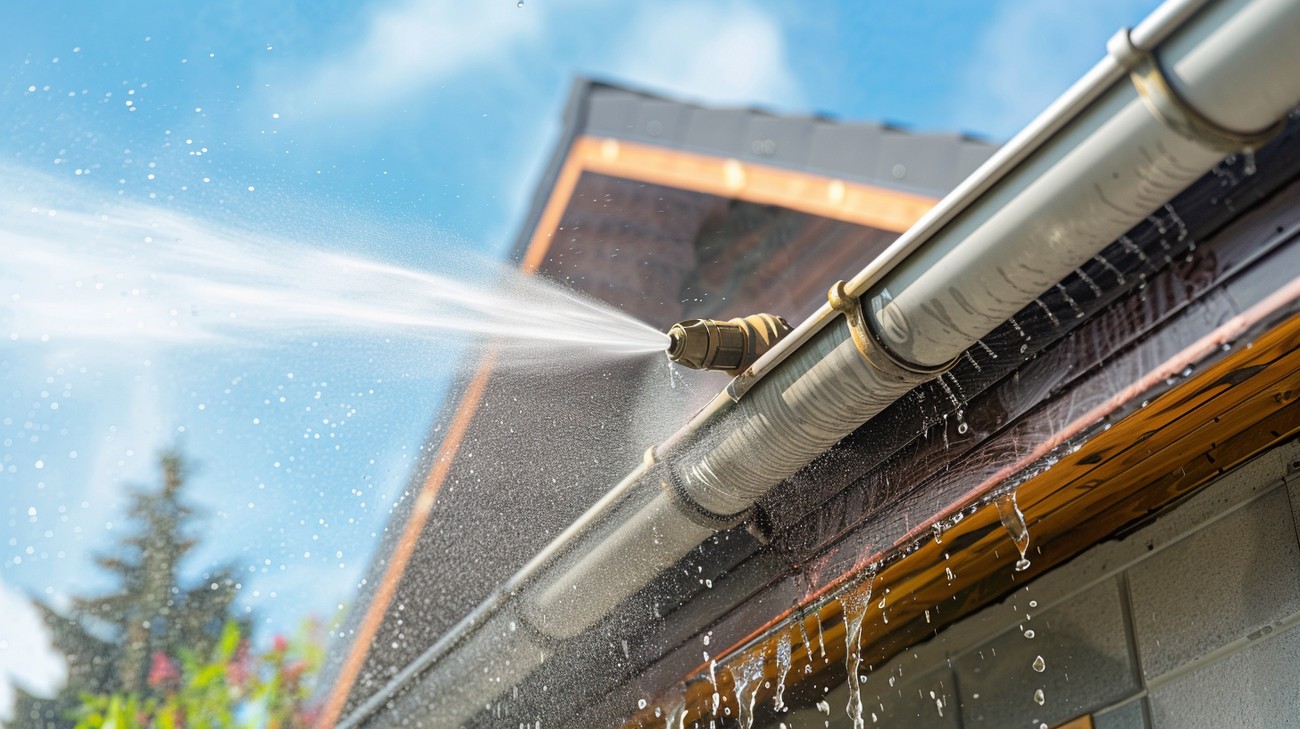
Use Even Strokes: Hold the nozzle at a consistent angle, about 3 to 4 feet away from the siding, and use long, even strokes across the siding. Overlapping each path ensures thorough cleaning.
Avoid Direct Water Flow: Never point the nozzle directly upwards or spray behind overlapping joints in the siding to avoid water infiltration.
Rinse Thoroughly: Once you've cleaned the siding with the detergent, switch the pressure washer to a rinse setting or use plain water. Work from the top down to ensure that all detergent is washed away.
Address Stubborn Stains: For tough spots, use a soft-bristle brush to scrub gently. If needed, apply a little more cleaning solution directly to the area before scrubbing.
Tips for Success
- Consistency is Key: Keep the nozzle moving consistently to avoid damaging the siding or causing any noticeable streaks.
- Protect Yourself: Always wear safety goggles and rubber gloves to protect from flying debris and cleaning solutions.
- Mind the Pressure: A higher PSI setting doesn’t necessarily mean cleaner. Adjust to the siding's recommendation for pressure safety.
What to Do If Something Goes Wrong
- Siding Damage: If you accidentally chip or crack the siding, you can replace individual panels. Contact the manufacturer or a professional to match the siding.
- Water Infiltration: Should any water manage to get behind your siding, dry the area immediately and inspect it for signs of mold or damage.
- Stubborn Spots Remain: Re-evaluate the cleaning solution's strength and reapply, allowing it to sit for a few minutes before lightly scrubbing. If stains persist, consider seeking professional help.
- Equipment Malfunction: If your pressure washer stops functioning properly, consult the user manual for troubleshooting tips or contact the manufacturer for assistance.
Common Mistakes to Avoid
Using Too Much Pressure
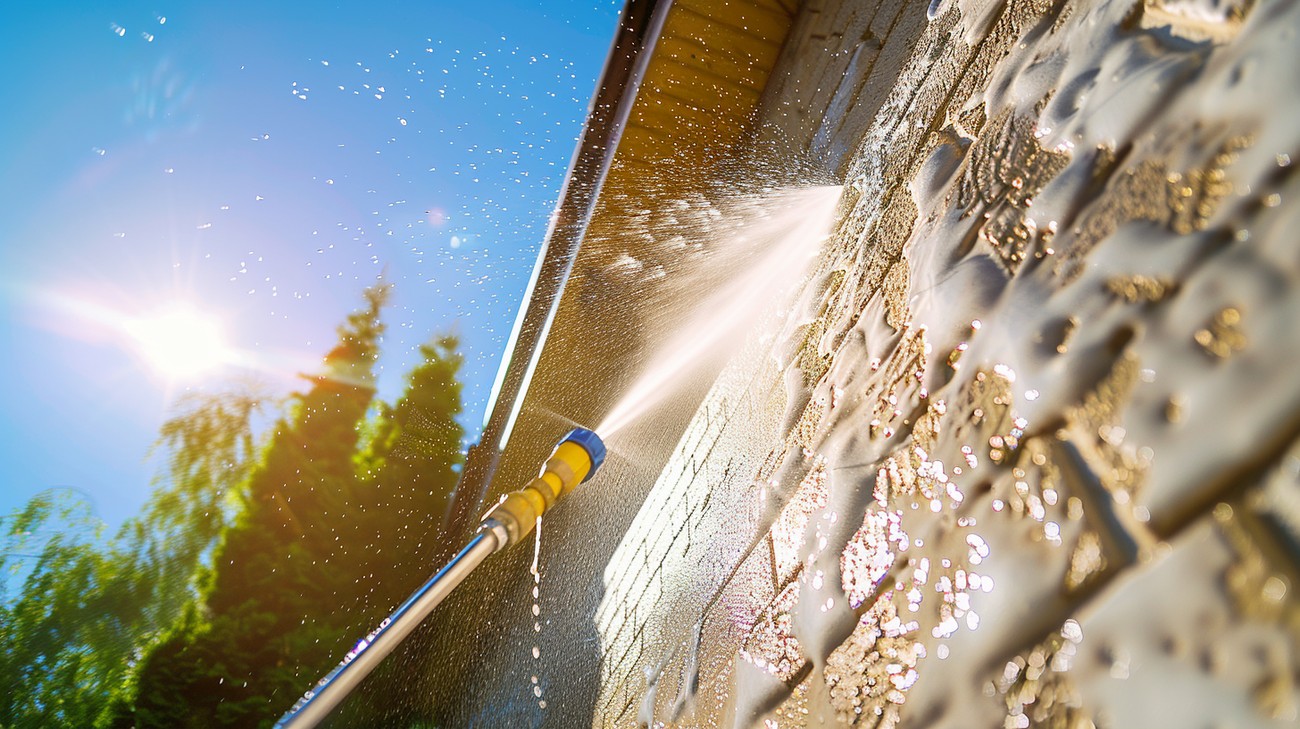
One of the most common mistakes when pressure washing vinyl siding is using excessive pressure. This mistake happens because many believe that higher pressure will remove grime and dirt more effectively. However, high pressure can damage the siding by causing cracks or punctures.
How to Avoid It: Use a pressure washer with a psi of around 1,300 to 1,600. Start with the lower settings and adjust only if necessary. Keep the nozzle at least 12 inches away from the siding to prevent damage.
What to Do If You've Made This Mistake: If you've already used too much pressure, inspect your siding for any signs of damage. Small cracks can be sealed with a vinyl siding repair kit, while more extensive damage might require professional assistance.
Expert Recommendation: Consider using a wide-spray nozzle to distribute pressure evenly and reduce the risk of damage.
Ignoring Safety Precautions
Safety mistakes occur when individuals underestimate the power of a pressure washer or neglect appropriate safety gear. This oversight can lead to accidental injuries or property damage.
How to Avoid It: Always wear safety goggles, gloves, and non-slip footwear. Clear the area of any obstacles or debris before starting.
What to Do If You've Made This Mistake: Address any injuries immediately by seeking proper medical attention. If property was damaged, assess what needs repair or replacement and take necessary action.
Expert Recommendation: Read the manual thoroughly to understand the specific safety precautions for your model of pressure washer.
Using the Wrong Cleaning Solution
Some homeowners assume any cleaning solution will work with their pressure washer. However, certain chemicals can harm vinyl siding or negatively impact its finish.
How to Avoid It: Use a cleaning solution specifically designed for vinyl siding. Check labels and consult the manufacturer's guidelines for recommended products.
What to Do If You've Made This Mistake: Rinse the affected area thoroughly with water to remove any residues. If discoloration or damage persists, you might need to replace affected panels.
Expert Recommendation: Test the cleaning solution on a small, inconspicuous area before applying it over the entire surface.
Ignoring the Weather Conditions
Many overlook weather conditions when planning to pressure wash their siding, potentially leading to unsatisfactory results or damage.
How to Avoid It: Choose a day with mild temperatures and low wind. Avoid pressure washing during extreme heat or cold, as temperature fluctuations can cause cracking.
What to Do If You've Made This Mistake: If your siding appears streaked or damaged from poor weather conditions, let it dry completely and reassess. You may need to clean the area again under better weather conditions.
Expert Recommendation: Early morning or late afternoon are ideal times to pressure wash, as the sun is less intense.
Not Rinsing the Siding Properly
Incomplete rinsing is often overlooked, particularly by those in a hurry. This can leave behind soap residue, causing streaks or even attracting more dirt over time.
How to Avoid It: Rinse your siding thoroughly from top to bottom, ensuring all soap and dirt are washed away.
What to Do If You've Made This Mistake: Rinse the siding again, possibly using plain water, to remove any leftover residue.
Expert Recommendation: Work in sections to manage rinsing more efficiently and avoid letting soap dry on the surface.
Starting at the Bottom Instead of the Top
Some may start pressure washing from the bottom up because it’s easier to reach or see the progress. However, this can lead to streaking and inefficient cleaning.
How to Avoid It: Always begin at the top and work your way down. This method ensures dirt and soap are rinsed down and away effectively.
What to Do If You've Made This Mistake: Re-rinse the area from top to bottom to remove streaks and ensure even cleaning.
Expert Recommendation: Break the work into manageable sections, completing each top-down before moving to the next.
Forgetting to Protect Nearby Plants and Furniture
Overlooking nearby vegetation and outdoor furniture can result in unintended damage from the pressure washer or cleaning solution.
How to Avoid It: Cover plants and furniture with plastic sheeting or move them away from the siding area.
What to Do If You've Made This Mistake: Rinse any affected plants with water immediately to dilute and wash away residues. Clean furniture thoroughly to prevent staining.
Final Thoughts
Pressure washing vinyl siding is an effective way to restore the beauty and longevity of your home’s exterior. It not only removes dirt and grime but also helps prevent mold and mildew buildup that can cause long-term damage. Whether you're preparing for a sale or just want to enhance your curb appeal, investing in this simple maintenance task can make a significant difference.
If you're a homeowner in Kansas City, MO, and want to ensure your vinyl siding is properly cared for, we’re here to help. At US Quality Construction, our team is ready to provide expert pressure washing services tailored to your needs. Don’t hesitate to reach out to us for a consultation or to request a free estimate—we're committed to helping your home shine!
Tags: cleaning, maintenance, exterior,