



In the bustling world of construction and renovation, a general contractor (GC) serves as the linchpin, orchestrating the myriad components of a successful project. As the intermediary between the project’s vision and its final completion, a general contractor navigates the complex labyrinth of construction management, ensuring timelines are met, budgets maintained, and standards upheld. In this article, we'll dive deep into the multifaceted role of a general contractor, unraveling the diverse responsibilities and skills needed to excel in this pivotal position.
Understanding the Role of a General Contractor
Before delving into specifics, it’s crucial to understand the overarching role of a general contractor. Essentially, a general contractor oversees the day-to-day operations of a construction project, managing everything from the big picture down to the minutiae. This can range from residential home improvements to large-scale commercial developments. A general contractor might be an individual or a firm with a team of professionals, all working in concert to achieve project goals.
Key Responsibilities of a General Contractor
Project Planning and Management
One of the primary responsibilities of a general contractor is to develop a comprehensive project plan. This involves:
- Defining Scope of Work: Outlining all tasks necessary to complete the project.
- Scheduling: Creating a timeline that specifies when each phase of the project will be completed.
- Budgeting: Estimating costs and identifying financial resources needed for each phase.
The GC is responsible for ensuring that the plan is executed efficiently, adhering to both timeframes and budgetary constraints, while also being flexible enough to accommodate any unexpected changes.
Hiring and Supervising Subcontractors
General contractors typically hire and manage subcontractors, specialists who perform specific tasks such as plumbing, electrical work, or carpentry. The GC’s duties include:
- Selecting Competent Subcontractors: Finding and hiring those with the skills and reliability required to get the job done.
- Coordination and Oversight: Ensuring that all subcontractors work harmoniously and that their work aligns with the project objectives.
- Quality Control: Regularly checking subcontractors' work to ensure it meets the project's standards and specifications.
Acquiring Necessary Permits and Licenses
Every construction project must comply with local, state, and federal regulations, which often requires obtaining various permits and licenses. A general contractor is responsible for identifying the necessary documentation and ensuring they’re appropriately acquired and displayed.
Procurement of Materials
Acquiring quality materials at a competitive price is another critical responsibility. General contractors must:
- Source Suppliers: Identify reliable vendors who can supply quality materials.
- Negotiate Costs: Work to ensure the best prices are obtained without compromising the quality.
- Maintain Inventory: Ensure materials are available when needed to prevent project delays.
Managing Risk and Safety
Ensuring the safety of everyone involved in the project is paramount. This involves:
- Implementing Safety Protocols: Establishing and enforcing workplace safety measures to protect workers and meet legal requirements.
- Monitoring for Hazards: Recognizing potential safety risks and taking corrective actions.
- Managing Insurance and Liability: Making sure appropriate insurance policies are in place to protect against unforeseen events.
Skills and Qualities of a Successful General Contractor
A proficient general contractor possesses a diverse set of skills and attributes essential for project success. These include:
- Leadership: Effective leadership to inspire and manage teams.
- Problem-Solving: Ability to quickly address and rectify issues as they arise.
- Communication: Strong verbal and written communication skills to interact with clients, subcontractors, and stakeholders.
- Detail-Oriented: Keen attention to detail to ensure all aspects of the project are meticulously handled.
- Technical Knowledge: Understanding of construction methods, materials, and regulations.
Technology in General Contracting
Project Management Software
Today’s general contractors leverage cutting-edge technology to streamline their operations. Project management software plays a pivotal role by:
- Facilitating Collaboration: Keeping all team members in sync.
- Tracking Progress: Allowing real-time updates on project status.
- Budget Monitoring: Ensuring expenditures are monitored and controlled.
Mobile Apps
In the field, mobile apps provide a convenient way to access plans, update schedules, and communicate with team members. They enhance efficiency by reducing the need for physical paperwork and on-site visits.
How to Choose a General Contractor
If you're planning a construction project, selecting the right general contractor is crucial. Consider the following:
- Experience: Look for a contractor with a proven track record in similar projects.
- Reputation: Seek reviews and testimonials from past clients.
- Licensing and Insurance: Verify that they hold the necessary licenses and insurance.
- Clear Communication: Ensure they are transparent about timelines, costs, and potential challenges.
- Detailed Contract: Make sure they provide a comprehensive contract outlining all aspects of the work.
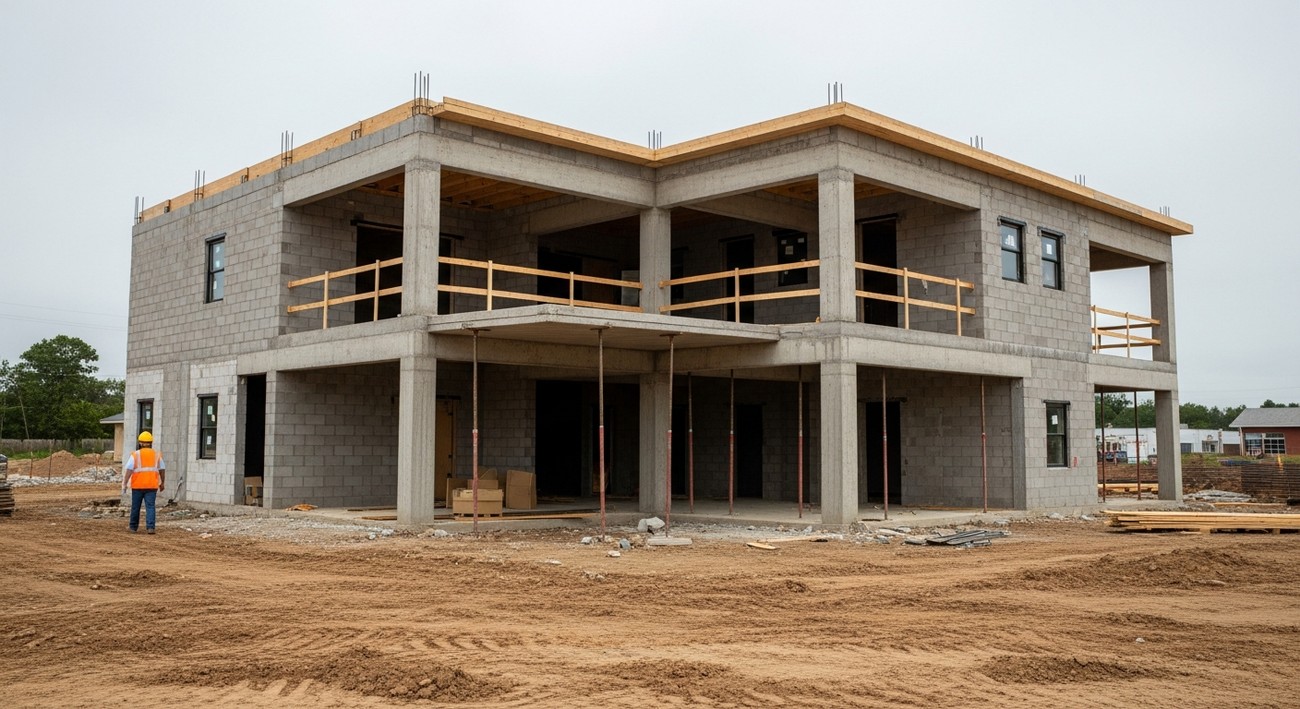
FAQ: Understanding the Role of a General Contractor
What are the main responsibilities of a general contractor?
A general contractor is primarily responsible for overseeing construction projects from start to finish. This includes organizing the project, hiring subcontractors, securing permits, and ensuring the work adheres to local building codes and standards. A general contractor acts as the communication bridge between the client and the various professionals working on the project, ensuring that everyone is on the same page and that the project timeline is followed carefully.
How does a general contractor manage a construction project?
The management of a construction project by a general contractor involves detailed planning and coordination. They create project schedules, outline the scope of work, and set budgets. General contractors are crucial in managing day-to-day operations on-site, addressing any issues that arise, and maintaining safety standards. They work closely with architects, engineers, and clients to ensure that the construction is completed according to specifications and within the agreed timeline and budget.
Do general contractors need to have a license?
Yes, general contractors typically need to be licensed to operate legally. The licensing requirements can vary by state or country, so it's crucial for general contractors to understand local regulations. A license often ensures that a general contractor has the necessary training, experience, and knowledge to handle construction projects. It provides an assurance of quality and professionalism to clients hiring the contractor.
What types of projects do general contractors work on?
General contractors work on a wide variety of projects ranging from residential homes and commercial buildings to renovations and remodels. They are involved in both small-scale home projects, like kitchen extensions and bathroom upgrades, to large-scale constructions such as office blocks and shopping centers. Their versatility and ability to manage different aspects of construction make them valuable for any building project.
How do general contractors determine their fees?
The fees for a general contractor are often determined based on the scope and complexity of the project, the materials needed, the project duration, and the labor required. General contractors may charge a flat fee, a percentage of the project cost, or bill hourly. It's important for clients to discuss payment structures upfront to avoid any misunderstandings. Transparency in pricing helps build trust and ensures a smooth working relationship.
Are there different types of general contractors?
Yes, there are different types of general contractors specializing in various niches. Some may focus solely on residential construction, while others specialize in commercial projects. There are also specialized contractors who handle specific types of renovations or sustainable building projects. Understanding a contractor's specialization helps in hiring the right professional suited to the specific needs of your project.
How do you choose a good general contractor?
Choosing a good general contractor starts with checking their credentials and experience in handling similar projects. Recommendations from friends, family, or online reviews can provide insights into a contractor's reputation. It's crucial to verify their licenses and insurance coverage. Meeting with a potential contractor to discuss your project and asking for a detailed quote can also help assess their professionalism and suitability for your needs.
Can a general contractor help with the design of a project?
While a general contractor does not typically handle the design aspects of a project, they often work closely with architects and designers to bring the project vision to life. A general contractor may offer valuable insights on the feasibility of design elements based on construction experience and suggest alternatives that align with the client’s goals and budget. Collaborating effectively with designers ensures that the project is functional, aesthetically pleasing, and built to last.
How do general contractors handle communication with clients and subcontractors?
Effective communication is a critical skill for a general contractor. They ensure that clients and subcontractors are regularly updated on project progress through meetings, written reports, or digital communication tools. Clear communication helps prevent misunderstandings and keeps all parties informed of any changes or adjustments to the project plan. This ongoing dialogue ensures that the project aligns with the client's vision and expectations.
What role does a general contractor play in ensuring safety standards?
Safety is paramount on any construction site, and a general contractor is responsible for maintaining a safe working environment. They must comply with local health and safety regulations, train workers on safe practices, and ensure that all equipment is in good working order. Regular safety checks and risk assessments are performed by general contractors to prevent accidents and injuries, making safety an integral part of project management.
Why is hiring a general contractor beneficial for construction projects?
Hiring a general contractor is beneficial because it streamlines the construction process. General contractors bring their expertise, industry connections, and problem-solving skills to a project, which can significantly reduce stress for the client. They handle all aspects of construction, from procurement of materials to project completion, ensuring high-quality outcomes. Their proficiency in managing complex projects efficiently makes them an invaluable asset for any construction endeavor.
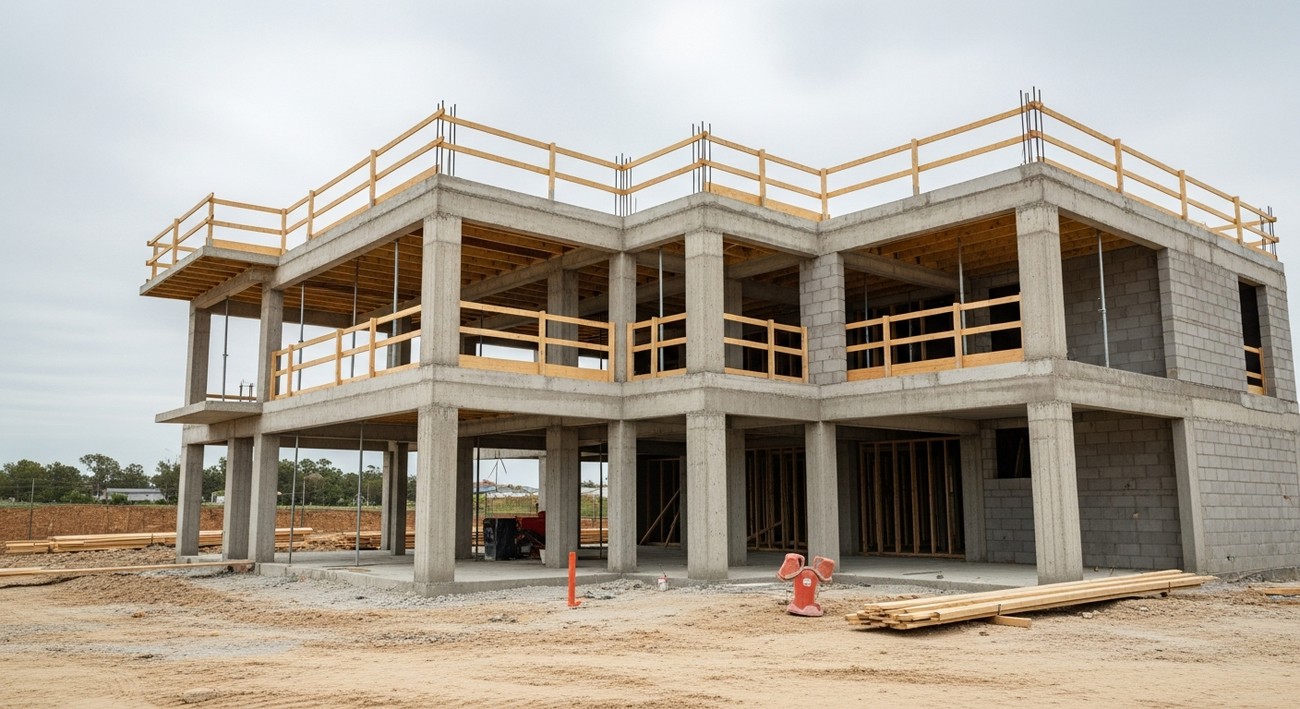
Timeline & Process
Phase 1: Pre-Construction (2-4 weeks)
What Happens:
This is the planning phase, starting with understanding the client's vision. During this timeframe, the contractor will review blueprints, finalize designs, procure necessary permits, and establish a budget. Key meetings with architects, engineers, and subcontractors also occur to align the project's scope.
Dependencies and Waiting Periods: This phase heavily depends on the availability and input from architects, as well as local authorities for permit approvals. Expect some waiting during permit processing, which can vary based on jurisdiction.
Preparation Tips: Clients should gather all initial ideas and needs, create a list of desired features, and establish budgetary constraints beforehand. Regular meetings and clear communication with the contractor will ensure alignment on expectations.
Phase 2: Procurement (1-3 weeks)
What Happens:
Here, the contractor sources materials and secures subcontractors for specific tasks such as plumbing, electrical work, and carpentry. Contracts are finalized, and orders for long-lead items are placed to avoid future delays.
Dependencies and Waiting Periods: The timeline could stretch if certain materials are scarce or if subcontractors face scheduling conflicts. Ensuring that all procurement details are finalized early can mitigate delays.
Preparation Tips: Maintaining flexibility with materials and finishes can help circumvent procurement delays. Establish a list of preferred vendors or products with your contractor sooner rather than later.
Phase 3: Construction (Varies, depending on the project size; typically 3-12 months)
What Happens:
This is where all the action happens as the on-site work commences. The general contractor manages daily construction activities, ensures quality control, and oversees safety standards. Regular site visits ensure progress aligns with the schedule.
Dependencies and Waiting Periods: Construction phases rely heavily on weather conditions, availability of labor, and efficiency in the procurement phase. Malfunctions or unforeseen site conditions may require adjustments to timelines.
Preparation Tips: Stay engaged during this phase by making regular site visits and participating in regular status update meetings. Transparency is crucial—don’t hesitate to speak up if anything seems amiss.
Phase 4: Post-Construction (1-2 weeks)
What Happens:
Once construction is completed, the contractor conducts a final walkthrough to ensure everything meets the project's standards and specifications. Punch lists are addressed and completed. Afterward, you’ll participate in a handoff meeting where documentation, warranty information, and maintenance tips are shared.
Dependencies and Waiting Periods: If punch list items are extensive, expect additional time to address these final issues. Final inspections for compliance with local building codes may also add a few days to this phase.
Preparation Tips: Before the final walkthrough, review the contract and initial plans to ensure all agreements are fulfilled. Be ready to take notes, photograph issues, and have a checklist of questions prepared for the final meeting.
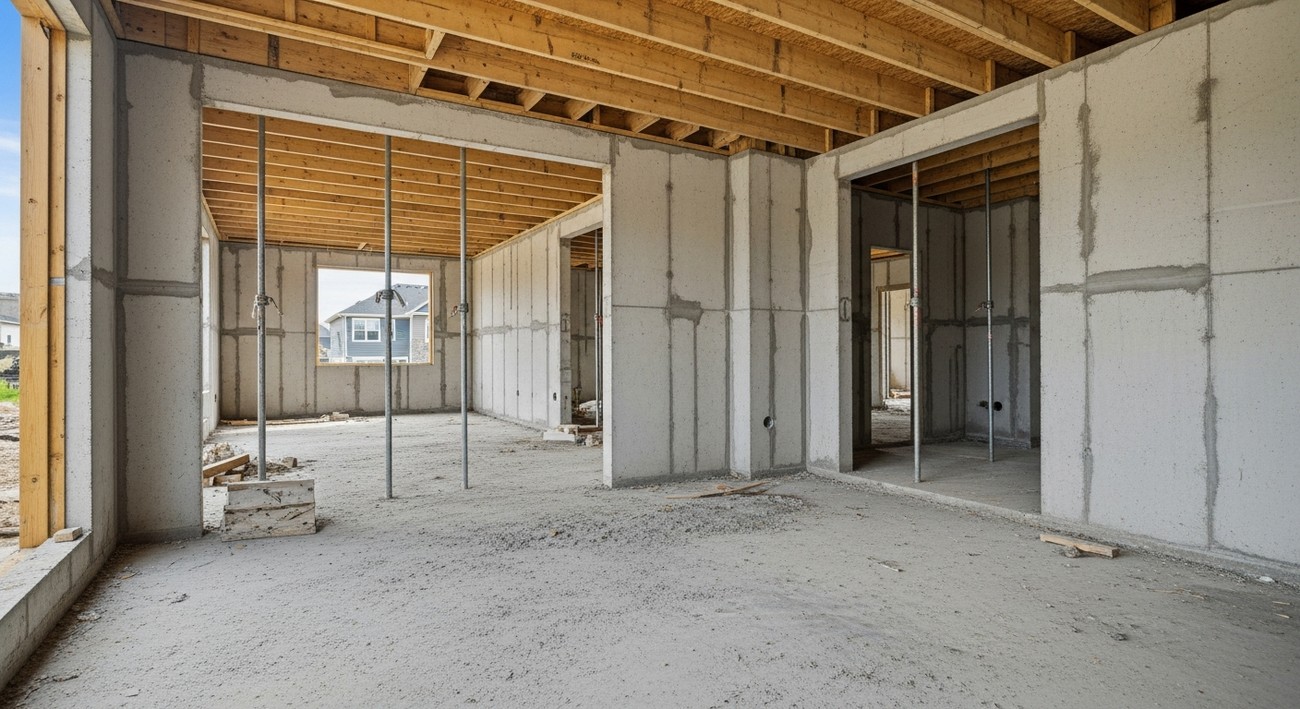
Final Thoughts
Understanding what does a general contractor do can significantly simplify your home renovation or construction project. General contractors are vital project managers who oversee everything from budgeting and scheduling to coordinating with various subcontractors, ensuring that your vision is brought to life efficiently. By acting as a liaison between homeowners and the different trades involved, they help turn complicated processes into seamless experiences, especially for folks here in Kansas City, MO.
If you're considering a home improvement project and want to ensure it's handled smoothly and professionally, we’re here to help. At US Quality Construction, we pride ourselves on delivering quality service and expertise to all our clients. We encourage you to reach out to us for a consultation, where we can discuss your needs and help you plan the perfect project. Your dream home is just a conversation away!
Tags: Construction, Remodeling, Home Improvement,