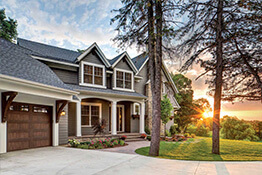

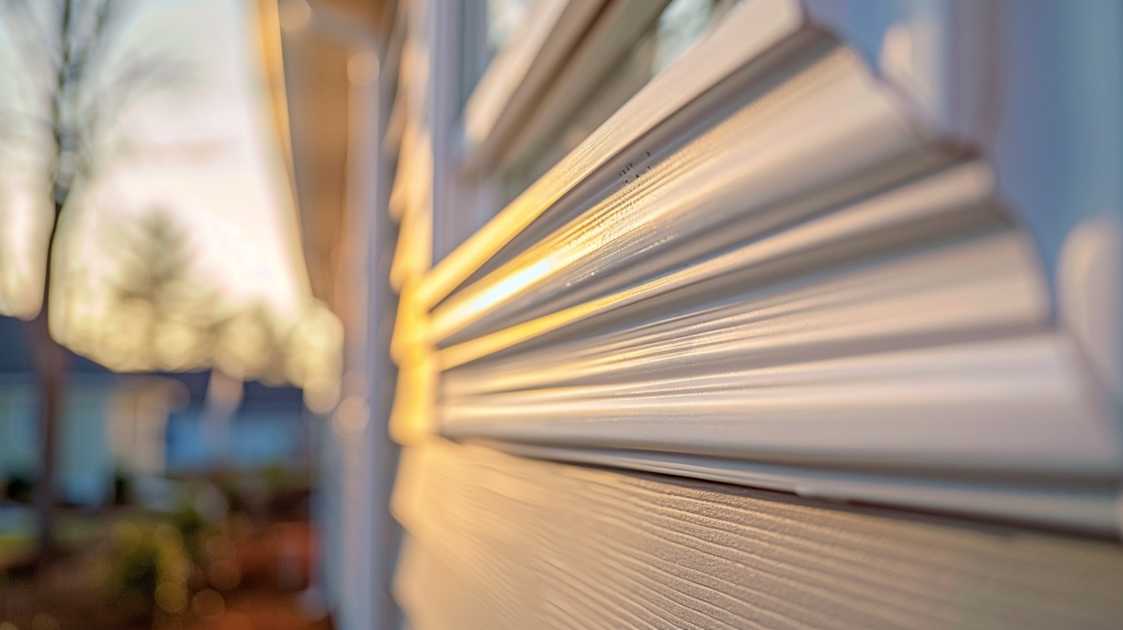


Fiber cement siding trim is gaining popularity among homeowners and builders for its durability, versatility, and aesthetic appeal. This detailed guide will explore what makes fiber cement siding trim a unique choice, its benefits, installation process, maintenance tips, and much more. Whether you're considering a renovation, new build, or simply looking to enhance your property's exterior, fiber cement siding trim offers a compelling solution.
What is Fiber Cement Siding Trim?
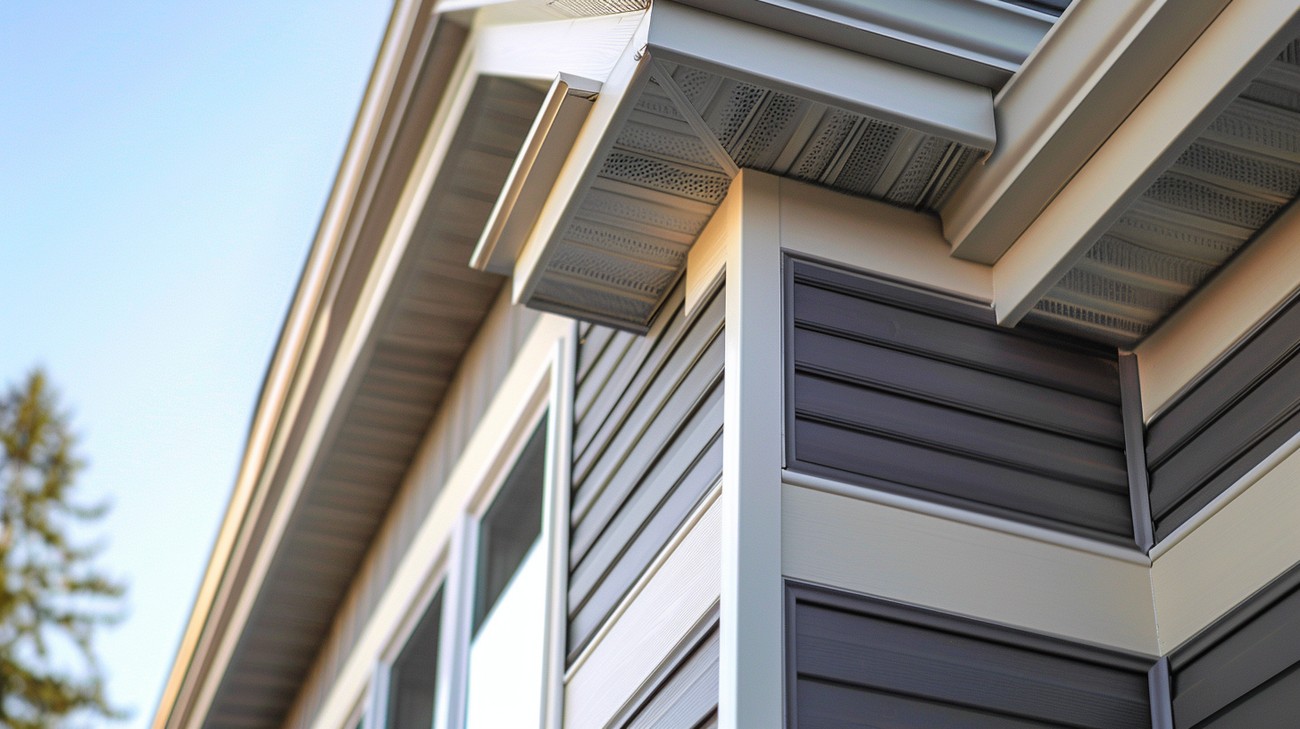
Fiber cement siding trim is a material used to create a finished edge around windows, doors, and corners of buildings. Composed of a blend of cellulose fibers, portland cement, sand, and water, it is known for its robustness and resilience. This innovative product provides the look of traditional wood trim while offering superior performance against the elements.
Key Benefits of Fiber Cement Siding Trim
Fiber cement siding trim is not just a trend; it's an investment in your home's future. Here’s why homeowners are opting for it:
Durability and Strength
Fiber cement siding trim stands out for its remarkable durability. Unlike wood, it does not warp, crack, or split, making it an ideal choice for areas prone to harsh weather conditions. Its resistance to termites and rot ensures that it preserves its integrity and appearance for years.
Aesthetic Versatility
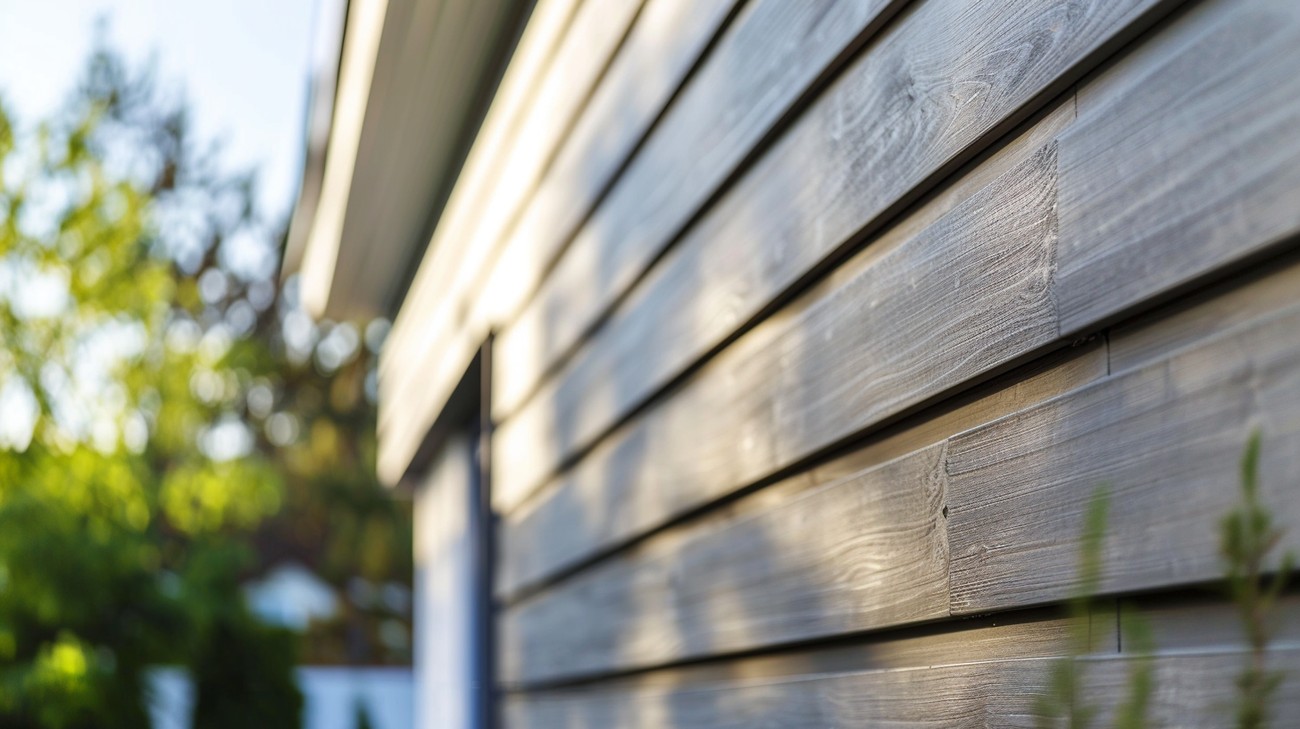
Fiber cement siding trim can mimic a variety of architectural styles. Whether you're aiming for a classic colonial look or a modern aesthetic, fiber cement provides a wide array of textures and finishes to suit your design preferences. It can be painted in any color, allowing for customization without frequent repainting.
Fire Resistance
Another significant advantage of fiber cement siding trim is its fire-resistant properties. It offers an added layer of protection compared to traditional wood or vinyl siding, which is a crucial factor for homeowners prioritizing safety.
Installation Process
The installation of fiber cement siding trim requires precision and expertise but offers rewarding results when done correctly. Here’s a brief overview of the installation process:
Preparation
- Measurement: Accurate measurement of all areas needing trim helps avoid material wastage.
- Material Selection: Choose the appropriate fiber cement siding trim that meets your aesthetic and functional requirements.
- Tools: Essential tools include saws equipped with fiber cement blades, protective eyewear, and respirators.
Installation Steps
- Cutting the Trim: Use a power saw with a diamond-tipped blade to cut the trim to the necessary lengths.
- Securing the Trim: Start with the corners, working your way to window and door frames. Ensure each piece is properly aligned and secured using galvanized or stainless-steel nails.
- Sealing Joints: Apply a high-quality exterior sealant to joints to prevent moisture penetration.
This meticulous process calls for attention to detail but results in a durable, seamless finish.
Maintenance Tips
Maintaining fiber cement siding trim is straightforward but essential for prolonging its lifespan. Here’s how you can keep your siding trim looking new:
- Regular Cleaning: Wash with a mixture of mild detergent and water to remove dirt and mildew.
- Inspect and Repair: Conduct seasonal inspections to catch any minor damages early. Reapply caulking as needed to prevent water intrusion.
- Repainting: Though not frequently required, repainting every 7–10 years can refresh the appearance and provide an extra layer of protection.
Fiber Cement Siding Trim vs. Traditional Materials
While wood and vinyl remain popular choices, fiber cement siding trim offers distinct advantages that make it an attractive option:
Wood
- Appearance: Wood has a classic, timeless charm but requires constant maintenance to prevent decay.
- Durability: Prone to weather-related damage and pest infestations.
Vinyl
- Cost: Generally more affordable upfront but can fade or warp over time.
- Fire Risk: Less fire-resistant compared to fiber cement.
Environmental Impact
Fiber cement siding trim is considered an eco-friendly option compared to its counterparts. It consists of natural, non-toxic materials and does not emit harmful chemicals. The long life span also reduces the need for frequent replacements, making it a sustainable choice for environmentally-conscious homeowners.
Frequently Asked Questions about Fiber Cement Siding Trim
What is the purpose of fiber cement siding trim?
Fiber cement siding trim serves several important purposes in your home's exterior design. Primarily, it provides a finished look to the edges of the siding, such as around windows, doors, and corners, making the overall appearance more cohesive. Additionally, fiber cement siding trim enhances the structural integrity of your home by sealing gaps and preventing moisture and debris intrusion. By properly installing this trim, you can extend the lifespan of your siding while giving your home a polished and aesthetically pleasing appearance.
How does fiber cement siding trim compare to wood trim?
Fiber cement siding trim offers numerous advantages over traditional wood trim. It is highly resistant to rot, termites, and other pests, which are common issues with wood trim. Unlike wood, fiber cement does not warp or swell with changes in humidity and temperature, leading to fewer maintenance concerns. Furthermore, fiber cement siding trim is non-combustible, providing an added layer of fire safety. It also has longer durability and often comes with extended warranties, making it a cost-effective choice for homeowners seeking low-maintenance options with the look of real wood.
Can fiber cement siding trim be painted?
Yes, fiber cement siding trim can be painted to match or complement the appearance of the rest of your home's exterior. Many manufacturers offer pre-primed fiber cement trim, which makes it easier for you to apply your choice of paint color. The paint typically adheres well to fiber cement due to its smooth and even surface. Remember to use high-quality exterior paint and follow the manufacturer's guidelines for the best results. Repainting fiber cement trim allows you to update the look of your home over time or refresh the trim if it begins to show signs of aging.
Is fiber cement siding trim prone to crack over time?
Fiber cement siding trim is known for its durability and resistance to cracking compared to other materials like vinyl or wood. Its composition of cement, sand, and cellulose fibers provides excellent dimensional stability, meaning it expands and contracts less with temperature changes. However, improper installation or an extreme impact, such as from a heavy object, could potentially cause cracking. It's essential to adhere to proper installation techniques and guidelines to mitigate any risk of damage, ensuring a long-lasting application of fiber cement trim on your home.
How do you maintain fiber cement siding trim?
Maintaining fiber cement siding trim is relatively simple compared to other materials like wood. It requires minimal upkeep beyond routine cleaning to remove dirt and grime. To clean, use a soft-bristle brush and a solution of mild detergent and water, or a low-pressure power washer. Avoid using harsh chemicals or high-pressure washers, as they might damage the trim's surface. Inspect the trim annually for any signs of damage or caulking failure, and make repairs as needed. This minimal maintenance helps preserve the appearance and functional integrity of your fiber cement siding trim.
Is fiber cement siding trim environmentally friendly?
Fiber cement siding trim is considered more environmentally friendly than several alternative building materials. It is manufactured using sustainable and abundant raw materials, including cement, sand, and cellulose fibers, which often derive from recycled wood fibers. Fiber cement products generally have a long lifespan, reducing the need for frequent replacements and the environmental impact associated with manufacturing new materials. Many manufacturers also utilize eco-friendly production processes and offer recycling programs for their products, contributing to reduced environmental footprints.
Does fiber cement siding trim offer good insulation properties?
While fiber cement siding trim itself doesn't provide significant insulation in terms of thermal resistance, it can contribute indirectly to improved energy efficiency. Well-installed fiber cement trim can reduce drafts around windows and doors by sealing gaps that would otherwise allow cold air to enter and warm air to escape. For improved insulation, consider integrating additional insulation materials behind your siding and choosing fiber cement products designed to work with insulating wraps or furring strips. This way, you create an efficient and comfortable living environment.
Can fiber cement siding trim be used in all climates?
Absolutely, fiber cement siding trim is designed to withstand a variety of climates and environmental conditions, making it suitable for nearly any geographic location. It resists weather elements, such as heavy rain, humidity, extreme temperatures, and UV exposure, without warping or deteriorating over time. Its robust composition ensures that it can endure freeze-thaw cycles and protect your home against harsh weather conditions, which is particularly beneficial for homeowners in regions with extreme seasonal changes.
How does fiber cement siding trim impact curb appeal?
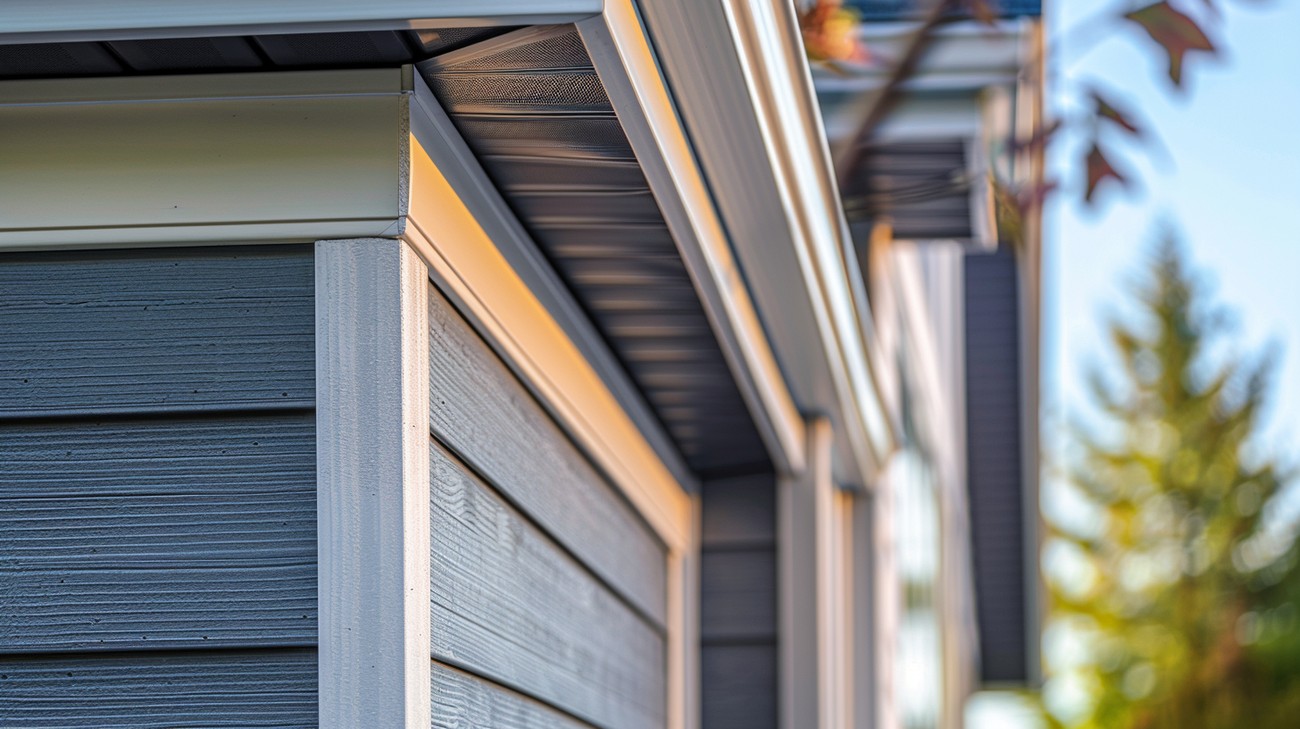
Fiber cement siding trim significantly enhances a home's curb appeal by providing clean, sharp lines around exterior elements like windows, doors, and corners. This well-defined appearance adds visual interest and can dramatically elevate your home's architectural style. With a variety of textures and a wide range of colors available, fiber cement trim allows homeowners to customize their home's exterior to reflect their personal taste and complement the overall design scheme, ultimately increasing both the attractiveness and potential resale value of the property.
What is the lifespan of fiber cement siding trim?
Fiber cement siding trim is renowned for its longevity, often lasting for several decades with proper care and maintenance. Many manufacturers provide warranties extending up to 50 years, attesting to the product's durability and long-term performance. The trim's makeup, resistant to rot, insects, and weathering, contributes significantly to its long lifespan, making it an excellent investment for homeowners looking to minimize future replacement and repair costs while maintaining a beautiful, durable exterior over the years.
The Pros and Cons of Fiber Cement Siding Trim
Pros
Durability Galore
Fiber cement siding trim is like the Hulk of home exteriors. It can stand up to the elements, whether that's blazing sunlight, torrential rain, or freezing snow. This material won't warp, crack, or rot, making it a tough contender against Mother Nature's whims.
Low Maintenance
Say goodbye to constant upkeep. Fiber cement trim doesn't demand your weekend afternoons for maintenance. It resists insects and isn't prone to rot, meaning you won’t need to spend your time or money on frequent repairs or treatments.
Aesthetically Versatile
Want your home to mimic the timeless beauty of wood grain without the maintenance hassle? Fiber cement's got you covered. This material can be manufactured to resemble a variety of textures and colors, so you can get creative with your curb appeal.
Fire Resistant
Safety first, right? Fiber cement siding trim earns high marks for its non-combustible nature. It won't ignite, adding an extra layer of protection to your home. Plus, it's often recognized by fire codes and insurance companies for its fire-resistant properties.
Long Lifespan
With proper installation and a bit of attention, fiber cement trim can last for decades—sometimes up to 50 years or more. It's an investment that pays off over time, providing peace of mind that your home’s exterior will stay sturdy for the long haul.
Environmental Considerations
Fiber cement is crafted from sustainable materials like cement, sand, and cellulose fibers. Many manufacturers prioritize environmentally-friendly processes, so you can feel good about this choice if sustainability is on your radar.
Cons
Installation Complexity
Fiber cement siding trim isn’t exactly a DIY-friendly material. It's heavy and requires specialized tools for cutting and installing. You’ll likely need a skilled crew to ensure everything is fitted correctly, which can increase labor costs.
Initial Cost
Speaking of costs, fiber cement can be pricier up front compared to vinyl or wood. You'll want to budget for both the material itself and the skilled labor needed for installation. While it pays off over time, the initial investment can be a sticker shock.
Potential Cracking
While fiber cement is tough, it's not invulnerable. Transporting or mishandling the material can lead to cracks. These imperfections, albeit minor, can mar its visual appeal if not addressed promptly.
Painting Requirements
Fiber cement siding trim does come pre-primed, yet it will need repainting over time. Though not as frequent as wood, expect to whip out the brushes every 10-15 years to keep it looking fresh and protecting it from weathering.
Weight Issues
The heft of fiber cement can be both a pro and a con. While its weight contributes to its durability, it also poses challenges during installation. Extra structural support might be necessary, which can complicate and add to the overall project expense.
Final Thoughts
Installing fiber cement siding trim is a smart choice for homeowners seeking durability and aesthetic appeal. Not only does it protect your home from the elements, but it also adds a polished finish that enhances curb appeal. Whether you’re renovating an older property or constructing a new one in the Kansas City, MO area, using high-quality trim can make a significant difference in the overall look and longevity of your siding.
If you’re considering upgrading your home with fiber cement siding trim, we invite you to reach out to us at US Quality Construction. Our team of experts is ready to guide you through the selection process and provide a free estimate tailored to your needs. Together, we can ensure your home not only looks great but stands strong against the test of time.
Tags: home improvement, exterior, construction,