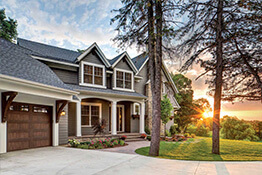



If you've ever embarked on a project involving carpentry, construction, or outdoor landscaping, you've likely encountered the term "pressure treated lumber." This material stands as a cornerstone in both DIY and professional settings due to its enhanced durability and resistance to environmental forces. Let's delve deep into the world of pressure treated lumber, exploring its creation, advantages, applications, and care.
What Is Pressure Treated Lumber?
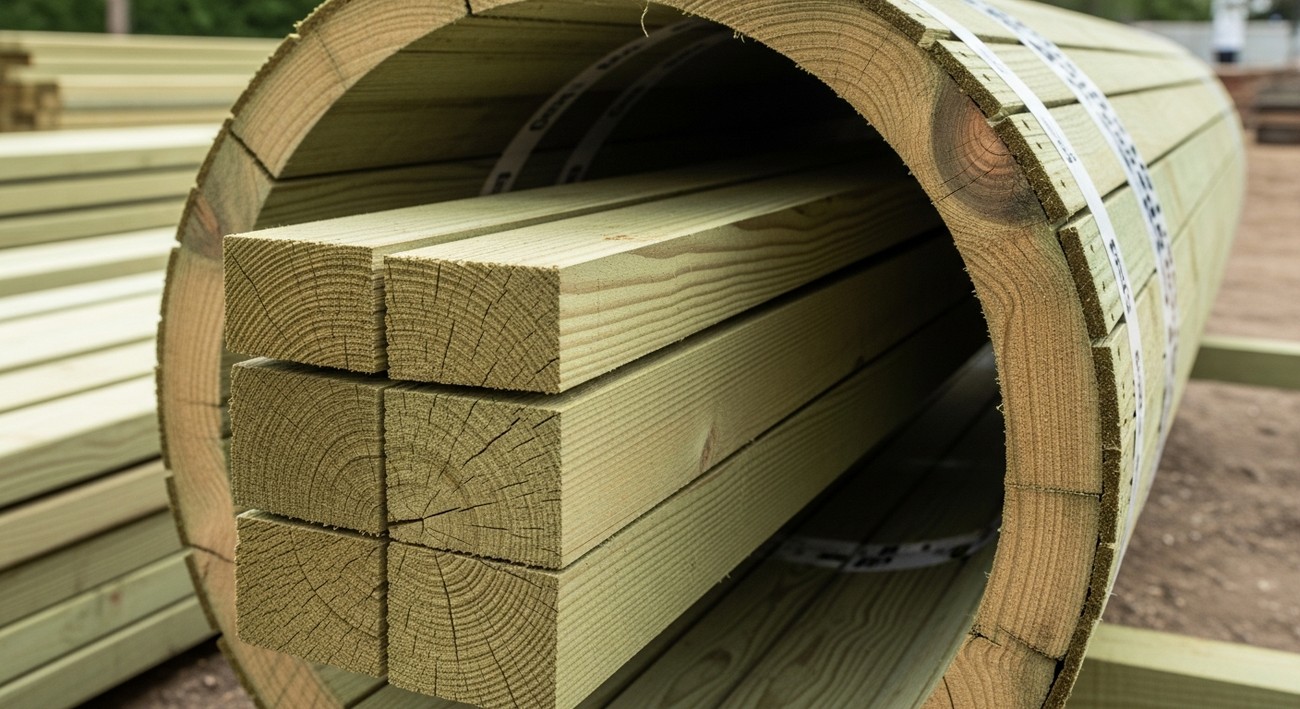
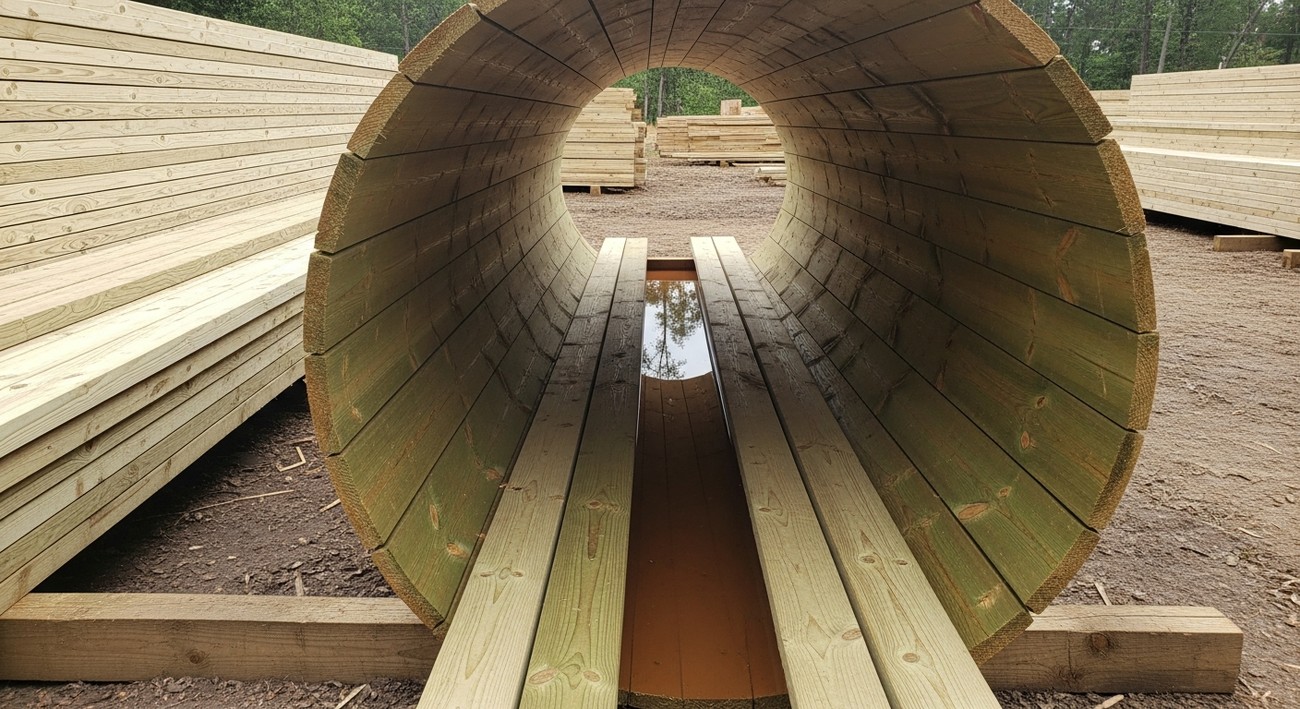
Pressure treated lumber is wood that has undergone a process that infuses it with chemical preservatives. This transformation is aimed at increasing its resistance to decay, insects, and moisture. The treatment involves placing the wood under pressure in a special cylindrical tank, where preservatives are deeply embedded into the wood fibers.
The Process of Pressure Treating Wood
Initial Preparations
Before treatment, lumber is usually kiln-dried to reduce its moisture content. This step ensures that the preservatives can penetrate deeper and more uniformly into the wood.
The Treatment Process
- Loading the Cylinder: The dried wood is placed inside a large, horizontal treating cylinder, often referred to as a "retort."
- Vacuum Application: A vacuum is applied to remove air from the wood cells, facilitating better penetration of the preservative.
- Chemical Injection: Preservatives are pumped into the cylinder under pressure, forcing the chemicals into the wood fibers.
- Pressurization: The system is pressurized to ensure deep penetration of the chemical agents.
- Final Vacuum: After a designated time, a vacuum is applied once more to remove any excess liquid, allowing the wood to dry.
Common Chemicals Used
Several preservatives are used in the treatment process:
- Alkaline Copper Quaternary (ACQ)
- Copper Azole (CA)
- Micronized Copper Quaternary (MCQ)
- Chromated Copper Arsenate (CCA) - Traditionally used but now restricted to certain industrial applications due to health concerns.
Benefits of Using Pressure Treated Lumber
Long-lasting Durability
Pressure treated lumber is designed to withstand harsh conditions, making it ideal for outdoor projects like decks, fences, and playgrounds. Its durability helps it last for decades when properly maintained.
Resistance to Insects and Decay
The chemical treatment protects the wood from common issues such as termite infestations and fungal decay. This attribute makes it particularly beneficial for ground contact applications.
Versatility
Available in a variety of sizes and grades, pressure treated lumber can be tailored to suit almost any project requirement, whether structural, foundational, or decorative.
Common Applications
Outdoor Construction
- Decks and Patios: Its resistance to moisture and rot makes it a perfect choice for decks that are exposed to the elements.
- Fencing: Adds longevity to fences, reducing the need for frequent replacements.
- Playgrounds: Ensures safety and durability in structures that encounter continuous usage.
Landscaping Elements
- Garden Beds and Planters: Ideal for building raised garden beds that encounter constant exposure to soil and water.
- Retaining Walls: Provides crucial support that's essential in handling soil pressure.
Maintaining Pressure Treated Lumber
Regular Inspections
Regularly inspect for cracks, splinters, and other signs of wear. Maintenance is key to longevity.
Cleaning and Staining
- Cleaning: Use a mild detergent and water to clean the surface regularly. A power wash annually can help maintain its appearance.
- Staining: Applying a sealant or stain can enhance both the aesthetic and protective qualities of the wood. Opt for a product that provides UV protection to prevent fading.
Avoiding Direct Ground Contact
Wherever possible, avoid the wood having direct contact with the ground or constant moisture to prolong its life and maintain structural integrity.
Considerations When Using Pressure Treated Lumber
Safety Precautions
- Handling: Always wear gloves and masks while handling and cutting treated wood to avoid exposure to chemicals.
- Disposal: Never burn pressure treated lumber. Dispose of it in accordance with local regulations to prevent the release of harmful chemicals into the environment.
FAQ: Understanding Pressure Treated Lumber
How is pressure treated lumber made?
Pressure treated lumber is created through a process called pressure treatment, which involves placing the wood inside a pressurized chamber. Here, chemical preservatives are deeply infused into the wood fibers, providing enhanced resistance to decay, insect damage, and moisture. This method ensures that the lumber can withstand harsh environmental conditions, making it ideal for outdoor projects like decks, fences, and playgrounds.
Why is pressure treated lumber used for outdoor projects?
Pressure treated lumber is specifically designed to endure outdoor conditions. The chemicals used in the pressure treatment process protect the wood from fungal decay and termite infestation, which are common issues in wet, outdoor environments. This makes it a popular choice for structures exposed to the elements, as it offers durability and longevity, saving money and effort on repairs and replacements over time.
Are there different types of pressure treated wood?
Yes, there are different types of pressure treated wood, each suited for varying applications. The treatment levels, often indicated by treatment ratings, guide what type of projects the wood is suitable for. For example, ground contact lumber is used when the wood will touch the soil, as it has a higher preservative content. Above-ground treated lumber, on the other hand, is more suitable for installations that remain dry and are not in direct contact with soil or water.
Is pressure treated lumber safe to use in gardening?
Pressure treated lumber can be safe for gardening, but it’s important to choose the right product. Modern treatments use less toxic chemicals than older methods, such as chromated copper arsenate (CCA), which was phased out for residential use. Look for lumber treated with safer preservatives like alkaline copper quaternary (ACQ) or copper azole (CA), both of which are deemed safe for building raised garden beds or other garden-related structures. Applying a liner or using untreated wood for the inner surface can further minimize the risk of chemical exposure to the soil.
Can you paint or stain pressure treated wood?
Yes, you can paint or stain pressure treated wood, but timing is crucial. Freshly treated lumber often retains moisture from the treatment process, making it difficult for paint or stain to adhere properly. Before applying a finish, make sure the wood is thoroughly dry, which can take several weeks to months depending on the climate and humidity. Once dry, sanding the surface lightly and applying a primer before painting or staining can enhance adhesion and prolong the life of your finish.
Does pressure treated wood require maintenance?
While pressure treated lumber is designed to be durable, it does benefit from occasional maintenance to preserve its appearance and prolong its lifespan. Regular cleaning with soapy water and an annual inspection for signs of wear, such as splintering or cracking, are recommended. Applying a water-repellent sealant every couple of years can help protect the wood from moisture absorption and UV damage, maintaining its structural integrity and aesthetic appeal.
What are common applications of pressure treated lumber?
Pressure treated lumber is incredibly versatile and commonly used in various outdoor applications. Some popular uses include building decks, docks, fences, pergolas, and playsets. Its resilience to weather elements, insects, and decay makes it an ideal choice for structures that demand durability and longevity. Additionally, pressure treated wood is often used in utility poles, railroad ties, and bridges, proving its strength in more demanding applications.
Can pressure treated wood be cut and drilled like regular wood?
Yes, you can cut and drill pressure treated wood similar to how you would work with untreated wood. However, due to its chemical treatment, wearing protective gear such as gloves and masks is advised to avoid contact and dust inhalation. It's also important to use wood preservatives to treat any freshly cut edges or holes to maintain the wood’s protective barrier against moisture and pests.
How can you distinguish pressure treated lumber from untreated wood?
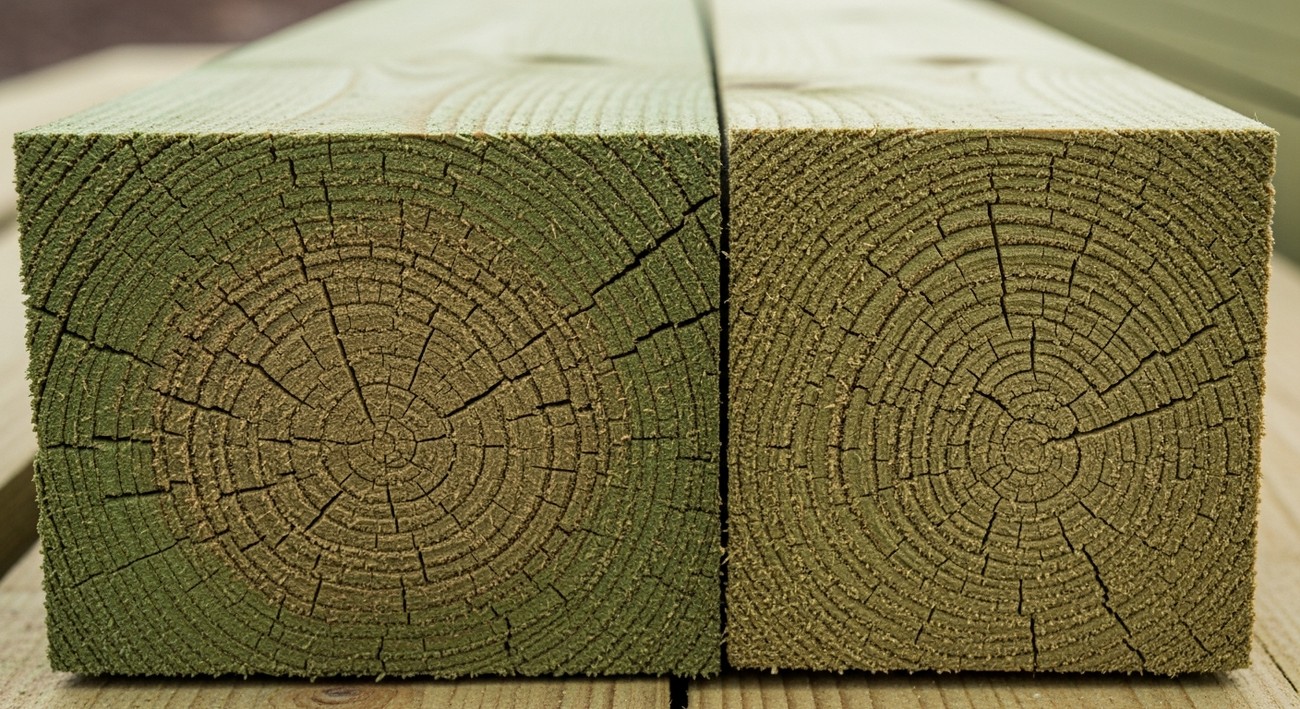
Pressure treated lumber can often be identified by its slightly green or brown tint, resulting from the chemicals used in the treatment process. Additionally, pressure treated wood may have tiny puncture marks or indentations from the pressure chamber where the preservatives were applied. Some lumber will also carry an end tag or a stamp on the surface indicating that it has been pressure treated and providing details about its treatment level and intended use.
Is pressure treated lumber environmentally friendly?
Modern treatments of pressure treated lumber are designed to be more environmentally friendly than older versions. While the preservatives still contain chemicals, they are less toxic than the previously used arsenic-based compounds. Selecting wood certified by sustainable forestry programs and ensuring it’s disposed of properly at the end of its lifecycle can help minimize its environmental impact.
Exploring the Ups and Downs of Pressure Treated Lumber
Pros
Longevity and Durability
One of the biggest advantages of pressure treated lumber is its impressive longevity. Due to the chemical preservatives infused into the wood, it becomes highly resistant to rot, decay, and insect infestations. This attribute makes it an excellent choice for outdoor decks, fences, and other structures exposed to the elements. You'll appreciate how longer-lasting your wooden projects become compared to using untreated wood!
Cost-Effective
Considering its durability, pressure treated lumber is also relatively cost-effective. While it might be slightly more expensive than untreated wood upfront, the long-term savings are significant. You won't have to replace boards as often, and maintenance costs will decrease over time, giving you more bang for your buck!
Versatile Usage
Another perk of pressure treated lumber is its flexibility in usage. It's suitable for a wide range of applications, from garden beds to picnic tables, to play sets and beyond. If you're dreaming up a backyard project, there's a good chance pressure treated lumber can help you bring it to life.
Ease of Availability
Thanks to its popularity, pressure treated lumber is readily available in most lumberyards and home improvement stores. You won't have to go on a wild goose chase to track it down, making this option convenient for busy DIY-ers.
Cons
Chemical Concerns
One downside to pressure treated lumber is the use of chemicals in its production. The wood is often treated with chemicals like copper, which can leach into the soil over time. If you're building something like a vegetable garden bed, this might be a significant concern for you. It's always a good idea to weigh the potential environmental impacts before proceeding.
Handling Precautions
Because of the chemicals present in pressure treated lumber, there are certain precautions you should take when handling it. It's important to wear gloves and masks while cutting or handling the wood, as chemical dust can be a respiratory irritant. Additionally, the safety rules suggest not burning this wood, as the chemicals can release toxic fumes.
Aesthetics
While pressure treated lumber is functional, it might not win any beauty contests. The process can leave the wood with a distinctive greenish tint. If you’re aiming for a more natural or decorative appearance, you may need to invest extra time and effort in staining or painting the wood to achieve your desired look.
Warping and Cracking Potential
Pressure treated lumber can sometimes warp or crack as it dries out. This is because the treatment process saturates the wood with moisture, and as it dries, it can change shape. To avoid issues, it's crucial to select high-quality boards and let them acclimate before using them in your project.
Limited Indoor Use
Due to the chemical treatment, pressure treated lumber is typically not recommended for indoor use, especially where food or water can come into contact with it. This limits its use to primarily outdoor or non-enclosed projects, so if you're planning an indoor venture, it might not be the right choice for you.
Final Thoughts
Understanding what is pressure treated lumber is essential for making informed decisions about your building projects. This type of lumber offers durability and resistance against moisture, insects, and decay, making it a popular choice for outdoor structures like decks and fences. It’s an investment that pays off in the long run, especially in climates like ours in Kansas City, MO, where weather can be unpredictable.
If you have any questions or need assistance with your next project, we’re here to help at US Quality Construction. Our team can provide guidance and expertise to ensure you choose the right materials for your needs. Feel free to reach out to us for a consultation or to request a free estimate. We're eager to support your vision and ensure your construction projects stand the test of time!
Tags: wood, chemicals, preservation,