

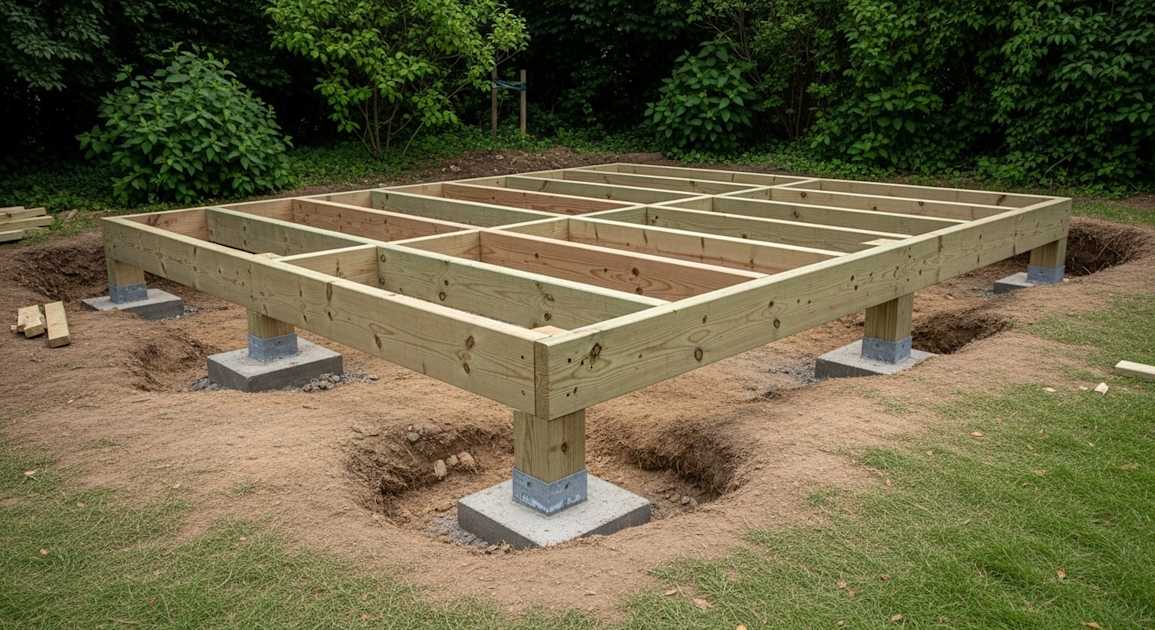


When embarking on your decking project, one of the most crucial elements to consider is the deck foundation. Think of it as the backbone of your entire structure, crucial for safety, stability, and longevity. Whether you're envisioning a cozy backyard retreat or a grand alfresco dining area, getting the foundation right is the first step to your dream deck.
Importance of a Strong Deck Foundation
A strong deck foundation supports the weight of the deck and everything on it, including furniture, people, and the deck materials themselves. It's vital that it can withstand varying weather conditions and natural movements of the earth. An inadequately supported deck can lead to warping, sagging, or even collapse over time.
Types of Deck Foundations
Concrete Footings
Concrete footings are one of the most popular deck foundation types, offering robust support for decks of all sizes.
- Poured Concrete Footings: Often used in larger structures, these footings involve pouring concrete into pre-dug holes and setting it to cure.
- Precast Concrete Piers: These ready-made concrete piers are placed directly onto the ground, making them a quicker alternative to poured footings.
Anchored Footings
Anchored footings use metal brackets that are driven into the ground, then attached to the deck's beams.
- Helical Piles: These are screwed into the ground using machinery and are adjustable to suit different soil types.
- Ground Screws: Similar to helical piles, ground screws are manually installed and adjusted for precision leveling.
Deck Blocks
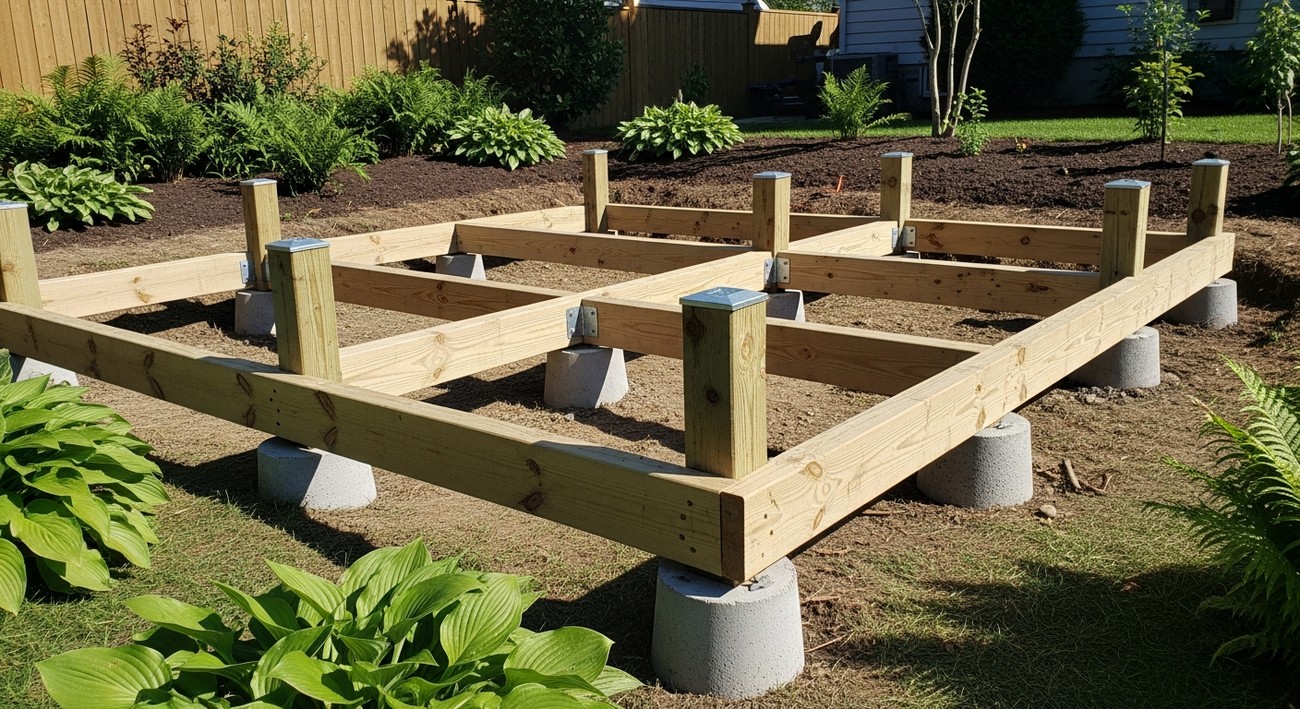
Deck blocks are a simple, budget-friendly option that's perfect for small to medium-sized decks. They sit directly on the ground without being buried, making them a great choice for low decks or temporary structures.
Factors to Consider for Your Deck Foundation
Building a deck isn’t just about aesthetics—it requires careful planning and attention to detail. Here’s what to keep in mind:
Soil Type and Condition
Your soil type can dictate the kind of foundation you'll need. Clay soils, for instance, may require deeper footings due to their tendency to expand and contract with moisture changes.
Local Building Codes and Permits
Before laying your deck foundation, ensure you understand local building codes. They're in place to ensure safety and structural integrity, plus they vary from place to place.
Deck Size and Weight
Consider the intended use of your deck. Heavier loads, such as hot tubs, require more robust foundations to support the additional weight.
How to Build a Deck Foundation
Here’s a step-by-step process to ensure you're laying a solid foundation for your deck.
Planning and Preparation
- Design Your Deck: Start by sketching a layout of your deck. Consider the shape, size, and features like stairs or railings.
- Mark the Site: Use stakes and string to outline where your deck will sit in your yard. This allows you to visualize the space and make adjustments if necessary.
Preparing the Ground
- Clear the Area: Remove any grass, plants, rocks, or debris from the deck's footprint. The clearer your base, the steadier your deck foundation will be.
- Level the Ground: For stability, your site should be as level as possible. Use a spade and level to ensure a flat starting surface.
Installing the Foundation
- Digging Footings: For concrete footings, dig holes as per your plan, respecting the depth required by your local regulations.
- Pouring Footings: Pour concrete into the holes and insert post anchors before it cures.
- Setting Deck Blocks or Anchors: For other types, place deck blocks or anchors into position according to your layout.
Final Adjustments
- Level the Support: Ensure every footing, block, or anchor is level before proceeding with the deck frame.
- Inspect: Double-check each installation for stability and adjust as needed.
Maintenance Tips for a Long-lasting Deck
- Regular Inspections: Check your deck regularly for any signs of wear, especially after severe weather.
- Address Issues Promptly: Fix any foundational cracks or uneven areas to prevent larger problems.
- Seasonal Adjustments: In areas with extreme weather changes, adjusting your deck as needed can help account for soil shifts.
Frequently Asked Questions About Deck Foundations
What are the different types of deck foundations?
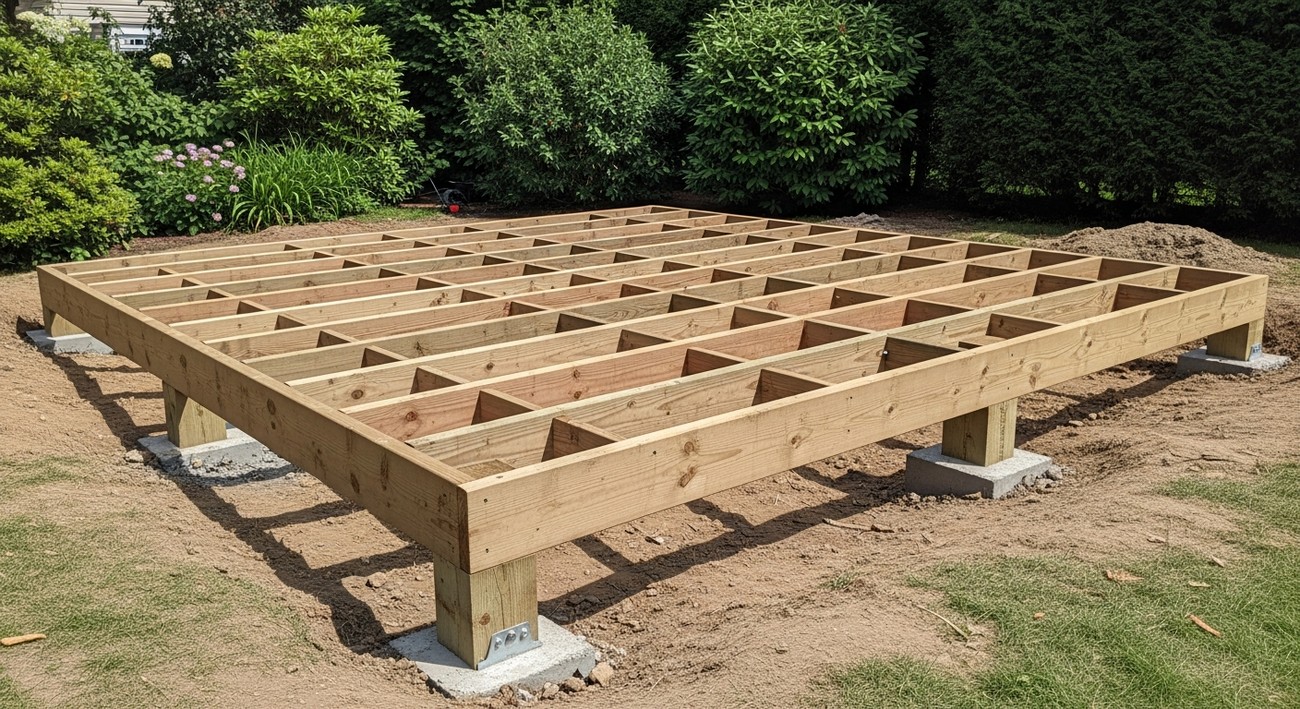
When planning to build a deck, understanding the various types of deck foundations is essential. Common types include concrete piers, deck blocks, and helical piers. Concrete piers involve digging holes and pouring concrete into forms to create stable bases for your deck. They're incredibly durable but can be labor-intensive. Deck blocks are pre-made concrete blocks that offer ease and convenience—perfect for smaller decks and lighter structures. Helical piers, or screw piles, involve twisting large metal screws into the ground—ideal for decks built on uneven slopes or soft soil. Choosing the right type of foundation depends on your specific location, soil type, and the deck's planned usage.
How deep should a deck foundation be?
The depth of your deck foundation plays a crucial role in ensuring its stability and longevity. Typically, the depth depends on the frost line in your area, soil conditions, and the deck's expected load. Most regions suggest digging your deck's footings below the frost line to prevent ground movement due to freeze-thaw cycles, which can be around 30 to 60 inches deep. Checking local building codes will provide specific requirements for your area. It’s also wise to consider the soil’s load-bearing capacity; sandy or gravelly soil may require deeper footings than clay soil.
What materials are commonly used for a deck foundation?
A sound deck foundation often utilizes a combination of concrete, metal, and treated lumber. Concrete is commonly used for footings, as it provides a sturdy and long-lasting base. Helical piers incorporate galvanized steel, known for its strength and resistance to corrosion. Treated lumber is typically used for any wooden components within the foundation, such as beams and posts, given its ability to withstand moisture and resist decay. Make sure any material you choose complies with local building codes and is suitable for the environmental conditions in your area.
How do I determine the size of the footings for my deck foundation?
Determining the correct size for your deck foundation's footings is crucial to support its weight adequately. To find the right size, you’ll need to consider the soil type, deck load, and local building codes. Begin by calculating the total load, including the deck's weight, potential occupancy, and additional factors like furniture or snow. A common rule of thumb is using footings with a diameter of at least 12 inches, though they may need to be larger under heavier loads or unstable soil conditions. Consulting with a structural engineer or using a footing calculator can provide more precise measurements tailored to your project.
Why might I choose helical piers for my deck foundation?
Helical piers offer several advantages that make them an attractive choice for deck foundations. They're an excellent option when building on slopes or areas with soft soil, as their design enables installation without the need for extensive digging. The installation of helical piers also typically involves less mess and is faster than pouring concrete footings, because no curing time is needed. Additionally, they are less susceptible to frost heave, making them ideal for cold climates. Their small load footprint means minimal disturbance to the surrounding landscape. Keep in mind, though, that installing helical piers usually requires special equipment and expertise.
How can I ensure my deck foundation will last?
To ensure your deck foundation lasts, proper planning, installation, and maintenance are crucial. Start with a thorough site assessment to understand the soil type and drainage patterns. Choose suitable materials, such as treated lumber and high-quality concrete, and follow all recommended depth and footing size guidelines to provide adequate support. During installation, ensure all components are accurately aligned and securely fastened. Regularly inspect the foundation for signs of wear or damage, such as cracks or shifts, addressing any issues promptly. Additionally, maintain effective water runoff to minimize soil erosion around your deck's foundation. Consulting a professional can also provide peace of mind.
Do I need a permit for my deck foundation?
Yes, in most areas, securing a permit is a crucial step when planning a deck foundation. Building codes vary widely depending on location, but generally, any significant structural work will require approval from your local building authority. A permit ensures your deck complies with safety and zoning regulations, potentially saving you from costly fines or having to alter non-compliant work. Be prepared to submit detailed plans outlining the type of foundation, materials, depth, and deck dimensions. This process might also involve inspections at different stages of construction to verify compliance with building standards.
How do frost lines affect deck foundation design?
Frost lines play a significant role in deck foundation design, especially in colder climates where ground freezing is an annual concern. The frost line marks the maximum depth of soil freezing in winter, and it's crucial to place deck footings below this depth to prevent the concrete from heaving as the soil expands and contracts. A foundation set above the frost line risks cracking or becoming unstable due to these freeze-thaw cycles. Generally, deeper foundations provide better stability in such conditions. Always consult local building codes, which specify the frost line depth in your area, to guide your foundation design.
Step-by-Step Guide
Tools/Materials Needed
Before you start, gather the following tools and materials to ensure a smooth workflow:
- Shovel
- Tape measure
- String line and stakes
- Level
- Posthole digger or power auger
- Wheelbarrow
- Gravel
- Concrete mix
- Trowel
- 4x4 or 6x6 posts (depending on your deck design)
- Circular saw
- Drill and screws
- Safety gear (gloves, eye protection, etc.)
Preparation Steps
Proper preparation is key to a sturdy deck foundation. Follow these steps to prepare your workspace:
Check Local Building Codes: Before starting any construction project, check with your local authorities for any specific regulations or permits needed for building a deck.
Plan Your Deck Layout: Use graph paper or design software to sketch out your deck’s dimensions. This will help you determine the number of footings and the position of your beams and posts.
Mark the Area: Use stakes and a string line to outline the area where the deck will sit. Double-check your measurements to ensure your lines are square and accurate.
Clear the Ground: Remove any grass, plants, or debris from the marked area to prepare it for digging. This will make the excavation process more straightforward.
Detailed Instructions
Follow these comprehensive steps to build your deck foundation:
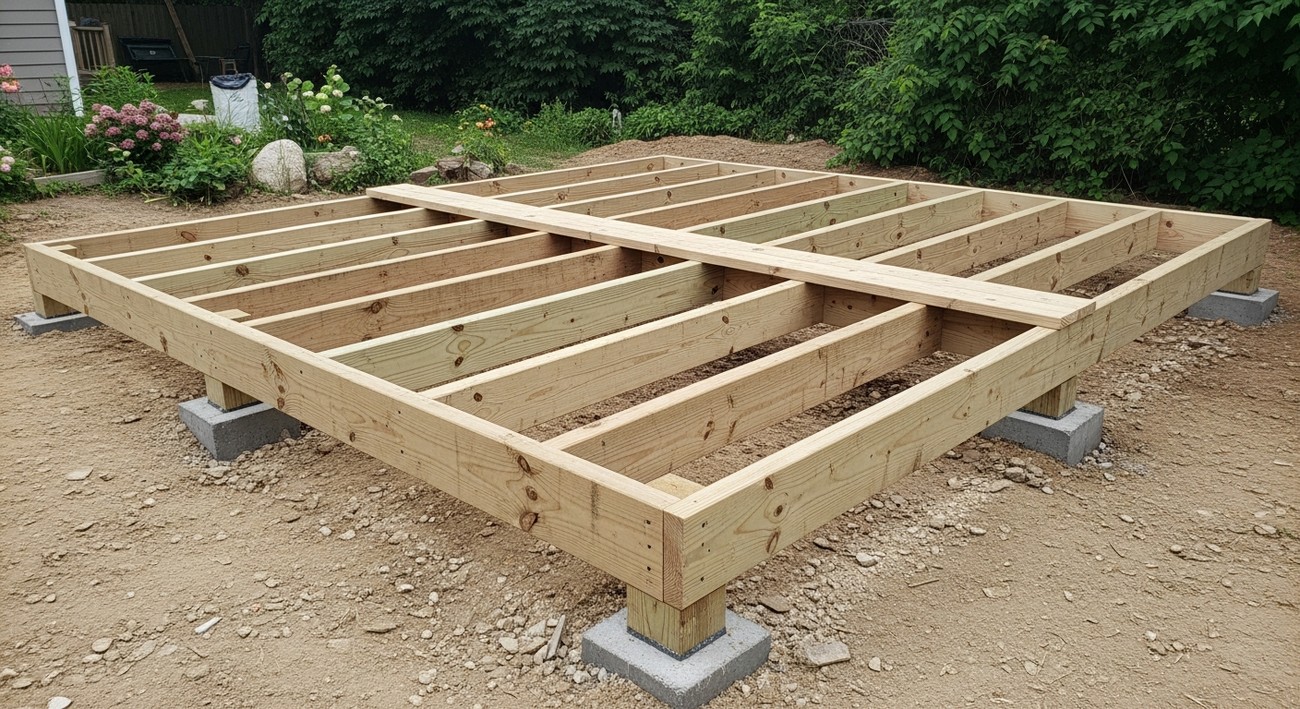
Determine Footing Locations: Based on your deck plan, mark the location for each of the deck’s footings. They should be placed every 6 to 8 feet along the perimeter and where any beams will be set.
Dig the Holes: Use a posthole digger or power auger to dig each footing hole to the required depth (usually around 3 feet or as dictated by local codes). Ensure the bottom of each hole is flat and free of loose soil.
Add Gravel: Pour 6 inches of gravel into the bottom of each hole for drainage. Use a level to ensure it’s even, then compact it with the end of a post or a tamping tool.
Mix and Pour Concrete: Following the instructions on the bag, mix the concrete in your wheelbarrow. Pour the mix into each hole, ensuring that it's at least 2 inches above the ground level. Use your trowel to smooth the surface.
Secure the Posts: While the concrete is still wet, insert your 4x4 or 6x6 posts into each footing. Use a level to make sure each post is perfectly vertical and aligned with your layout lines. Backfill around the posts with concrete, making sure they are secure.
Allow to Cure: Let the concrete cure for the time specified on the bag, generally about 24 to 48 hours. This ensures the posts are firmly set.
Cut Posts to Height: Once cured, use a circular saw to trim each post to the desired height. Ensure they are all level to provide a flat surface for your deck beams.
Attach the Beams: With your posts in place, you can begin attaching the deck beams. Secure them using brackets or by directly fastening them to the posts with screws. Use your level again to ensure everything stays even.
Tips for Success
- Check Slope: Ensure your deck has a slight slope away from your house for drainage to prevent water accumulation.
- Use Quality Materials: Invest in pressure-treated lumber and outdoor-rated fasteners for longevity.
- Be Precise: Measure twice, cut once. Precision in your layout and cuts will make the rest of the decking process smoother.
What to Do if Something Goes Wrong
If you hit a snag, don’t worry. Here are some common issues and solutions:
- Post Not Level: If a post isn't vertical after curing, use a post level to check its alignment. You may need to dig out some concrete and adjust the post's position before adding more concrete.
- Uneven Concrete Setting: If the concrete set unevenly, add a layer of self-leveling compound or sand the top to create a flat surface.
- Incorrect Measurements: If measurements were off, adjust the string line and re-evaluate the post locations before proceeding.
Common Mistakes to Avoid
1. Skipping Soil Testing
Many DIY enthusiasts overlook soil testing. This typically happens when the terrain looks firm and stable at first glance, leading folks to assume it's sufficient for deck support. However, this oversight can lead to uneven settling or structural issues down the line.
How to Avoid It: Before starting, conduct a soil test to determine its load-bearing capacity. You can use a basic soil test kit or hire a professional.
What to Do If You've Already Made the Mistake: If your deck is already built and showing signs of settling, you might need to reinforce the foundation. This could involve adding more piers or using deeper footings.
Expert Recommendations: Consider consulting a geotechnical engineer for expert soil analysis if you're unsure about your soil conditions.
2. Ignoring Building Codes
It's easy to get caught up in the excitement of building and forget to check local building codes. Non-compliance can lead to hefty fines, or worse—a structurally unsafe deck.
How to Avoid It: Familiarize yourself with local regulations and obtain any necessary permits before construction begins.
What to Do If You've Already Made the Mistake: If you've already built your deck without following code, consult with a local building inspector. You might need to make modifications to bring your deck up to standard.
Expert Recommendations: Staying informed and organized with code requirements from the start will save you time and hassle. Websites like your local government's or sources like American Deck and Patio can provide up-to-date information.
3. Using Incorrect Footing Depth
The wrong footing depth is a common error, often due to misconceptions about local frost levels or overconfidence in the stability of soil behavior, potentially resulting in frost heave or settling.
How to Avoid It: Research the frost line in your area and dig footings accordingly, which usually means going below frost level to prevent ground movement.
What to Do If You've Already Made the Mistake: Retrofit existing footings by digging out around them and pouring additional concrete or installing screw piles to increase depth.
Expert Recommendations: Always refer to the International Residential Code (IRC) or local building guides for footing depth guidelines.
4. Choosing the Wrong Materials
Selecting inappropriate materials commonly arises from trying to cut costs or misunderstanding material properties. It may lead to premature wear and tear or structural failures.
How to Avoid It: Invest in high-quality, weather-resistant materials designed for outdoor use, such as pressure-treated wood or composite.
What to Do If You've Already Made the Mistake: Replace compromised materials as soon as possible to prevent further damage, especially for critical components like beams and joists.
Expert Recommendations: Consult with a lumberyard or home improvement store specialist to identify the best materials for your specific climate and use case.
5. Inadequate Drainage Planning
Ignoring drainage considerations can result in water pooling around the deck footings, leading to rot and erosion. It happens when the focus is solely on the deck's immediate appearance rather than long-term viability.
How to Avoid It: Ensure the ground slopes away from the deck and install drainage solutions, like gravel beds or French drains, if necessary.
What to Do If You've Already Made the Mistake: Retrofit drainage options around your deck to channel water away efficiently.
Expert Recommendations: Regularly inspect the area after heavy rains and maintain gutters and downspouts to aid in proper water diversion.
6. Overlooking Structural Support
Neglecting to provide adequate structural support can lead to sagging or unstable decks. This often occurs when builders underestimate the load the deck will bear.
How to Avoid It: Calculate load requirements based on deck size, use (like hot tubs or heavy furniture), and local environmental factors. Ensure your design includes sufficient beams and joists.
What to Do If You've Already Made the Mistake: Strengthen your deck by adding additional joists or supports as necessary.
Expert Recommendations: Use online load calculators or consult a structural engineer to ensure your deck can support the intended weight.
7. Rushing the Curing Process
Many builders, eager to progress, rush the concrete curing process, compromising the foundation's integrity. Proper curing is key for strength and durability.
How to Avoid It: Allow ample time for concrete to cure—a minimum of 24-48 hours for basic setups and up to a week for optimal strength.
What to Do If You've Already Made the Mistake: Monitor your deck for movement or cracks. A professional may need to test the integrity of the footings and suggest reinforcement if necessary.
Expert Recommendations: When in doubt, patience pays off. Follow manufacturer guidelines on curing times to ensure a solid foundation.
Final Thoughts
Investing in a solid deck foundation is crucial for ensuring the longevity and stability of your outdoor space. A well-constructed foundation not only enhances the appeal of your deck but also protects it from issues like sagging and rot, especially with the varying weather conditions we experience here in Kansas City, MO. Understanding the components that make up a strong deck foundation can save you time and money in the long run, so take the time to consider your options.
If you’re looking to build or upgrade your deck, we at US Quality Construction are here to help you navigate the process. We pride ourselves on delivering exceptional service to homeowners in Kansas City, MO, ensuring that every detail of your deck foundation meets the highest standards. Reach out to us today to schedule a consultation or request a free estimate, and let’s bring your deck vision to life together!
Tags: wood, support, structure,