

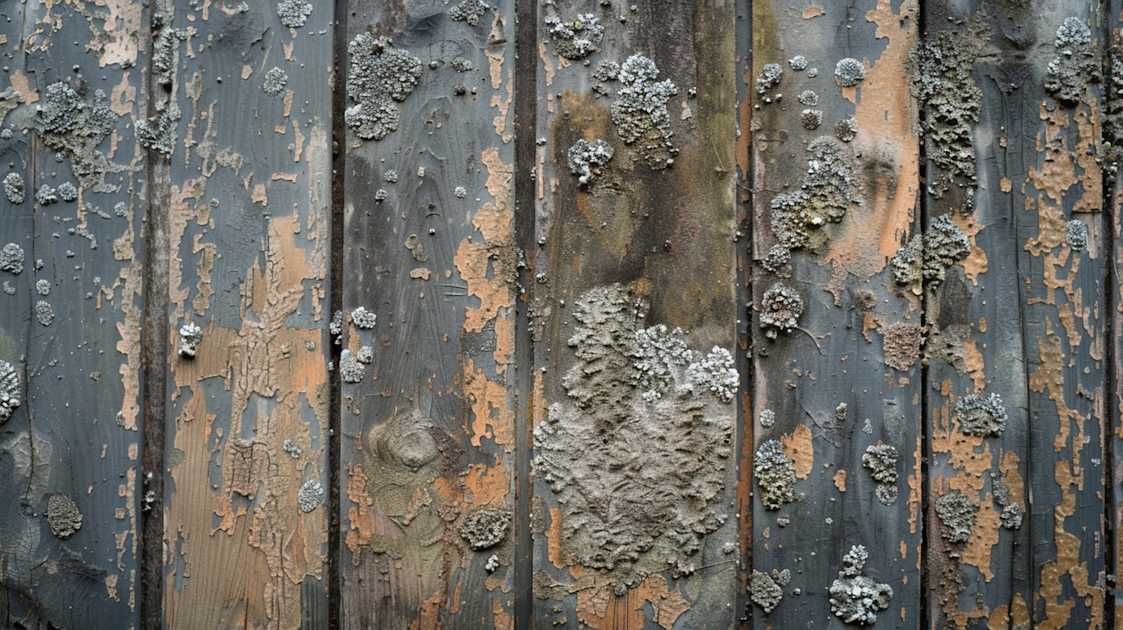


As homeowners, maintaining the pristine appearance of our homes is of utmost importance. However, one common issue that can compromise both the aesthetic appeal and structural integrity of a home is the unwanted presence of mold and mildew on siding. This article explores the causes, effects, and solutions for mold and mildew on siding, equipping you with the knowledge to tackle this persistent problem effectively.
What Are Mold and Mildew?
Mold and mildew are types of fungi that thrive in moist environments. While they share similarities, they have distinctive characteristics:
-
Mold: Typically fuzzy or slimy, mold can be black, green, or blue. It penetrates surfaces, which can lead to structural damage if left unaddressed.
-
Mildew: Usually appearing as flat, powdery patches in gray or white tones, mildew tends to stay on the surface, making it easier to remove than mold.
Understanding what you’re dealing with is the first step toward effective management and prevention.
Causes of Mold and Mildew on Siding
The presence of mold and mildew on the siding often stems from environmental conditions combined with the material of the siding itself. Here are some primary contributors:
-
Moisture: Mold and mildew require moisture to grow. Siding exposed to rain, humidity, and damp conditions is more vulnerable.
-
Shaded Areas: Lack of sunlight can result in damp, cool environments perfect for fungal growth.
-
Inadequate Ventilation: Poor airflow allows moisture buildup.
-
Organic Debris: Leaves, dirt, or other organic materials on siding provide food for mold and mildew growth.
By understanding these causes, homeowners can take proactive steps to minimize risks.
The Impact of Mold and Mildew on Siding
Addressing mold and mildew is crucial not only for visual reasons but also due to potential long-term impacts:
-
Structural Damage: Prolonged mold presence can weaken and decay materials, compromising the building's structural integrity.
-
Health Risks: Exposure to mold spores can cause respiratory issues, allergies, and other health concerns for inhabitants.
-
Curb Appeal Loss: Unsightly staining and discoloration from mold and mildew can detract from a home’s overall appearance.
Failure to address mold and mildew in a timely manner can escalate issues, leading to costly repairs.
Identifying Mold and Mildew on Siding
Detecting mold and mildew early can prevent significant issues. Look for:
- Discoloration or stains on the siding in shades of black, green, white, or gray.
- A musty odor near the affected areas.
- Visible fungal growth or patches on the siding surface.
Regular inspection, especially in shaded or moist conditions, can help maintain a mold-free home exterior.
Preventing Mold and Mildew
Prevention is always better than cure. Consider these strategies to keep mold and mildew at bay:
-
Regular Cleaning: Periodic washing of siding can remove dirt and prevent mold growth.
-
Proper Ventilation: Ensure good airflow around the home to decrease humidity levels.
-
Landscaping Maintenance: Trim trees and shrubs to expose siding to sunlight and reduce shade.
-
Gutter Maintenance: Clean gutters regularly to prevent water spillage onto siding.
Implementing these preventative measures reduces the likelihood of encountering mold and mildew on your siding.
Effective Cleaning Solutions
For those already experiencing mold, several strategies can help eradicate fungal growth:
DIY Cleaning Methods
-
Vinegar Solution: Mix equal parts white vinegar and water. Spray onto the affected area, let it sit for an hour, then rinse.
-
Baking Soda Paste: Combine baking soda and water to form a paste. Apply to mildew patches, scrub with a brush, and rinse thoroughly.
-
Commercial Cleaners: Specialized siding cleaners, specifically designed to combat mold and mildew, are available at most home improvement stores.
Professional Cleaning Services
For extensive mold problems or hard-to-reach areas, hiring professionals might be necessary. They offer:
- Expertise in safe and effective mold removal.
- Access to industrial-strength cleaning solutions.
- Inspection services to identify repeat problem causes.
Hiring professionals ensures thorough cleaning and safety.
Choosing Siding Materials
Selecting the right siding materials can mitigate mold and mildew issues. Here are some considerations:
-
Vinyl Siding: Resistant to moisture, making it less susceptible to mold and mildew than wood.
-
Fiber Cement Siding: Durable and more resistant to environmental elements, including fungi growth.
-
Metal Siding: Although less prone to mold, it can develop mildew if not cleaned regularly.
Choosing the appropriate siding material is a long-term strategy to prevent mold and mildew growth.
Mold and Mildew on Siding: FAQ
Why do mold and mildew form on siding?
Mold and mildew often form on siding due to moisture accumulation and lack of sunlight. If your home's exterior doesn't get enough direct sunlight, or if rainwater frequently splashes onto the siding without properly drying, it's easy for mold and mildew to take hold. They thrive in dark, damp environments and feed on organic material that sometimes accumulates on siding, like dust, dirt, and plant debris. Good ventilation and proper maintenance can help prevent these issues.
How can I identify mold and mildew on my siding?
Mold and mildew usually appear as dark spots or streaks on your siding. While mold may be black, green, or even red, mildew often shows up as a gray or white powdery substance. If you notice a musty smell outside your home and see dark, splotchy areas that seem to spread, you're likely dealing with mold and mildew. It's important to address these signs as soon as possible to prevent larger infestations and potential damage to your siding material.
What materials are most prone to mold and mildew growth on siding?
Vinyl and wood siding are particularly prone to mold and mildew growth. Vinyl can trap moisture behind its panels, creating an ideal breeding ground for fungi. Wood siding is naturally porous, which means it can absorb water and organic matter more readily, providing a food source for mold and mildew. Regular cleaning and protective treatments can minimize risks for these materials, maintaining both the integrity and appearance of your siding.
How can I remove mold and mildew from siding safely?
To safely remove mold and mildew from siding, start by using a mild detergent or a specially formulated cleanser designed for mold and mildew. Mix it with water, and scrub the affected areas with a soft-bristle brush. Ensure you rinse thoroughly with a garden hose to wash away any remaining residue. For persistent patches, consider using a pressure washer on a low setting. Always wear protective gear and avoid harsh bleach solutions that may damage siding or harm nearby plants.
What preventive measures can I take to stop mold and mildew on siding?
To prevent mold and mildew on siding, maintain proper ventilation around your home to reduce humidity levels. Trim trees and shrubs to allow more sunlight to reach your siding, which naturally discourages mold growth. Ensure gutters are clear and direct water away from your home to minimize moisture build-up. Regularly clean your siding every few months to remove dirt and organic material that can attract mold and mildew. Using a mold-resistant primer or paint can also offer added protection.
Can mold and mildew damage my siding?
Yes, mold and mildew can damage your siding over time. Mold can cause discoloration and stain your siding, making it difficult to restore its original look. For wood siding, prolonged exposure to mold and mildew can lead to rot, weakening the structural integrity of the siding panels. In severe cases, mold can even expand beyond the siding and into the walls of your home. Address any mold or mildew issues promptly to avoid costly repairs and maintain a healthy living environment.
How often should I inspect my siding for mold and mildew?
It's a good idea to inspect your siding for mold and mildew every few months or after significant weather events, like heavy rains or snow. Spotting an issue early can save you time and resources since small infestations are much easier to clean and manage than larger ones. Regular inspections allow you to catch potential problems, ensuring that your siding stays in good condition while maintaining your home's curb appeal.
Can professional cleaning services help with mold and mildew on siding?
Yes, professional cleaning services can effectively remove mold and mildew from siding, particularly if the infestation is extensive or difficult to tackle on your own. Professionals have access to specialized equipment and cleaning solutions tailored for safe and effective mold and mildew removal. Hiring experts ensures the job is done thoroughly and helps prevent regrowth in the future, saving you from ongoing maintenance challenges.
Are there specific climates where mold and mildew on siding are more common?
Mold and mildew on siding are more common in humid and rainy climates. Regions with high humidity levels provide perfect conditions for mold to thrive, as excessive moisture in the air can make its way to your siding and create a damp environment. Additionally, areas with frequent rainfall or those that experience long, wet seasons can see increased mold and mildew growth. Residents in such climates should be extra diligent with regular siding inspections and maintenance.
Troubleshooting Guide
Problem 1: Greenish Stains on Siding
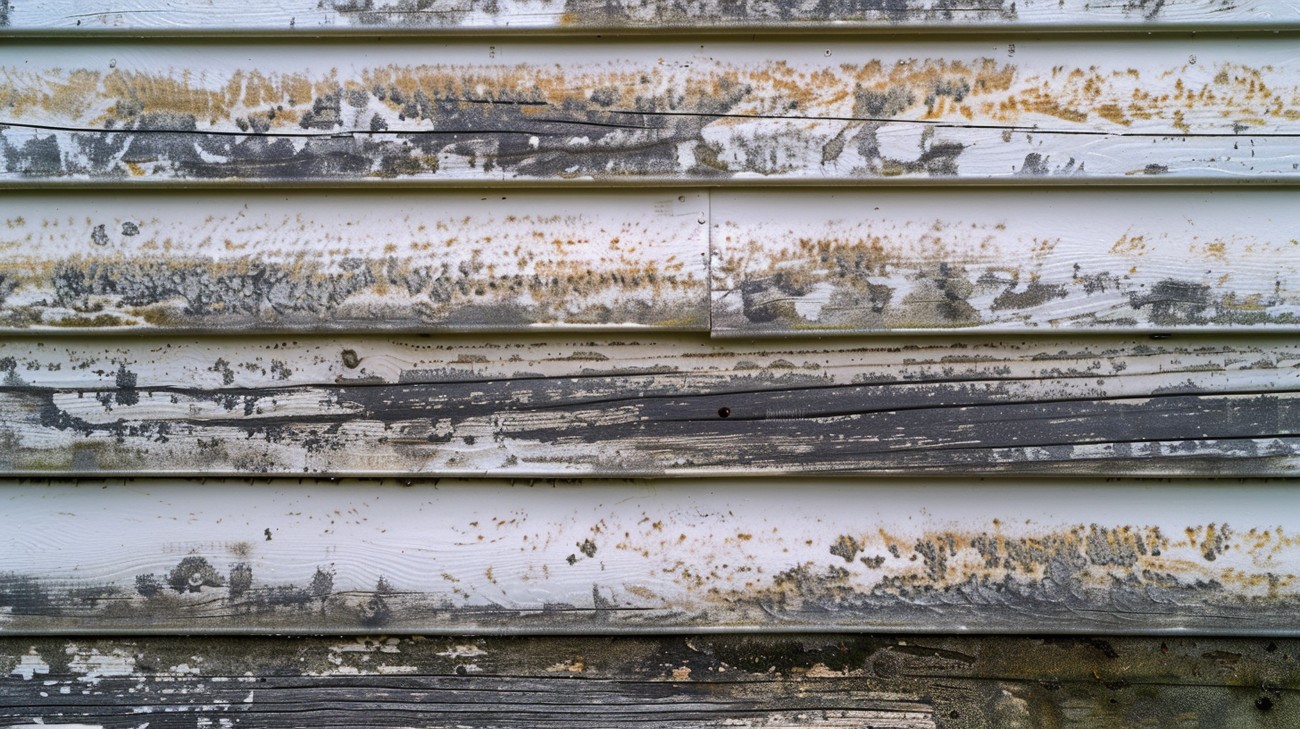
Symptoms: You may notice a green tint or streaks appearing on your siding, often in shaded or damp areas.
Likely Causes: The primary cause is algae growth, which thrives in moist, shaded conditions. This issue is particularly common in humid environments or areas with poor air circulation.
Fixes:
- Create a cleaning solution with one part bleach and four parts water.
- Apply the solution using a spray bottle, starting at the bottom of the affected area.
- Let it sit for 15 minutes, ensuring it doesn't dry out.
- Gently scrub the area with a soft brush or cloth.
- Rinse thoroughly with a garden hose, ensuring no bleach residue remains.
When to Call a Professional: If the algae persists despite your efforts, or if cleaning appears to damage the siding, it's best to consult a professional.
Prevention Tips: Trim back nearby vegetation to increase sunlight exposure and improve air circulation, reducing moisture retention on your siding.
Problem 2: Black Mold Spots
Symptoms: Black or dark brown spots appear concentrated in certain areas of your siding.
Likely Causes: These spots are typically caused by mold growth, often due to excessive moisture and organic debris buildup on the siding.
Fixes:
- Use a commercial mold remover or mix a solution with one cup of vinegar to one gallon of water.
- Spray the solution generously on affected areas and let sit for 10-15 minutes.
- Scrub gently with a soft brush.
- Rinse thoroughly with a hose to ensure complete removal of the mold and solution.
When to Call a Professional: If the mold repeatedly returns or covers a large area, professional cleaning may be necessary to address underlying moisture issues.
Prevention Tips: Regularly clean your gutters to prevent water runoff from contributing to mold growth, and ensure adequate drainage away from your home's foundation.
Problem 3: Musty Odor Near Siding
Symptoms: A persistent, unpleasant musty smell emanates near or around the siding.
Likely Causes: This odor typically indicates mildew, a specific type of fungus that thrives in damp, shaded environments.
Fixes:
- Identify damp areas where the smell is strongest.
- Apply a commercial mildew cleaner or use a mixture of 1:10 bleach to water.
- Scrub the surfaces with a non-abrasive brush.
- Rinse area thoroughly with water.
- Allow the site to dry completely.
When to Call a Professional: If the odor persists or you cannot identify the source, professional help is warranted to assess for potential hidden water damage or leaks.
Prevention Tips: Improve ventilation around your home's exterior with fans, and repair any leaking pipes or fixtures.
Problem 4: Discoloration or Dullness
Symptoms: Siding appears discolored, dull, or faded compared to other areas.
Likely Causes: Prolonged exposure to moisture can cause color changes, particularly with constant dampness due to nearby plants or shaded areas.
Fixes:
- Clean siding with a mild detergent and water.
- Gently scrub with a soft-bristle brush.
- Rinse well after cleaning to remove any detergent residue.
When to Call a Professional: If cleaning does not restore color, consider consulting a professional about potential refinishing or repainting.
Prevention Tips: Regularly wash siding to prevent permanent discoloration and ensure good drainage around the home’s perimeter.
Problem 5: Peeling or Cracking Paint
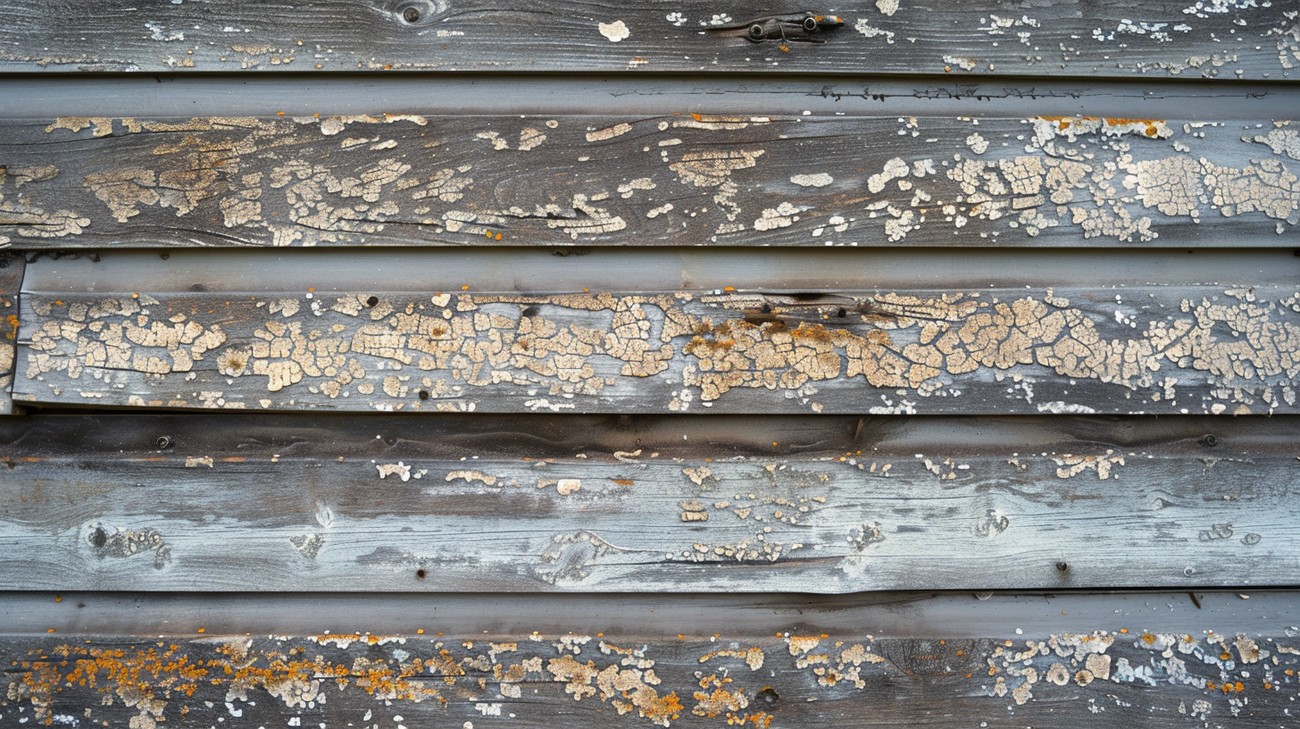
Symptoms: Paint appears to be lifting away, cracking, or peeling from the siding surface.
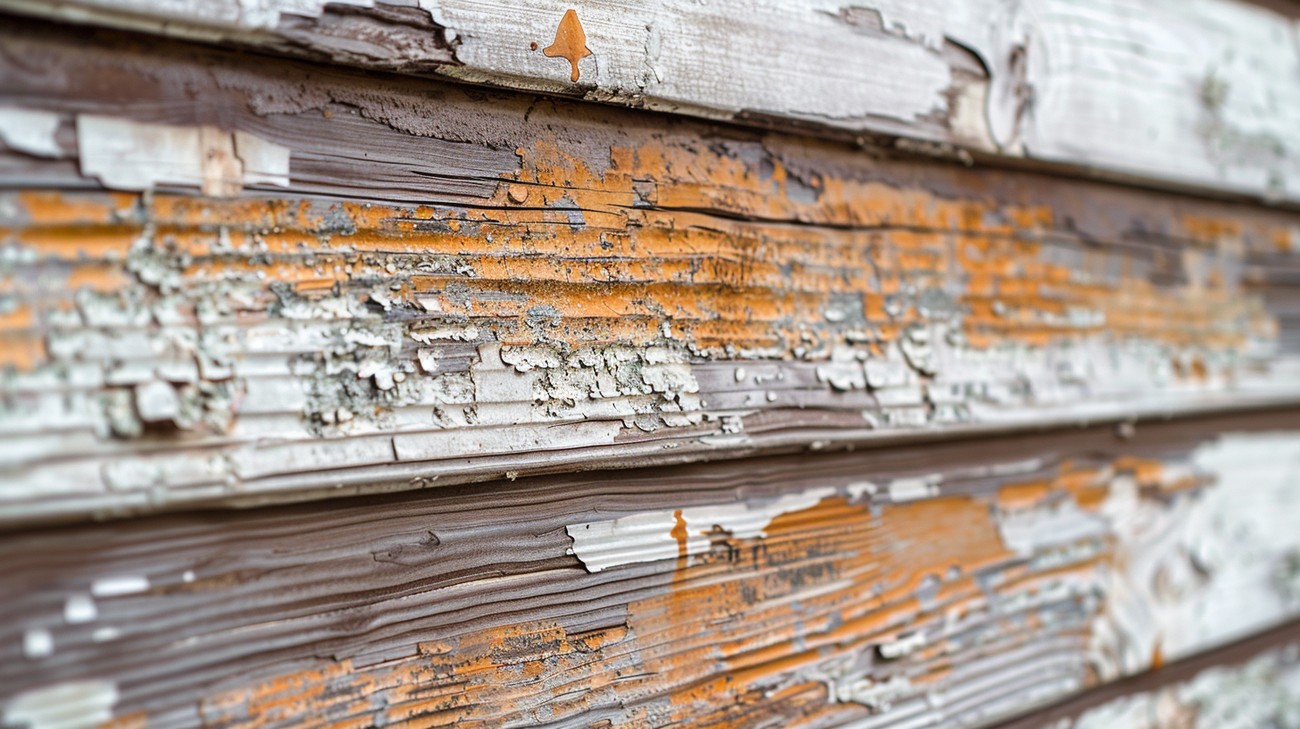
Likely Causes: Excess moisture behind or on the siding is a common reason, often caused by leaks or poor gutter systems.
Fixes:
- Identify and repair any sources of leaks or moisture ingress.
- Scrape off any loose paint.
- Sand the area to smooth the edges.
- Repaint with high-quality, mildew-resistant exterior paint.
When to Call a Professional: For substantial peeling or if underlying damage is suspected, professional evaluation and repair are advisable.
Prevention Tips: Check and maintain your home's exterior paint condition regularly, and ensure effective water diversion systems are in place.
Problem 6: Siding Material Deterioration
Symptoms: Siding is warping, bulging, or appears to be deteriorating. Likely Causes: Mold and mildew can cause wood siding to degrade over time, especially if moisture is left unaddressed. Fixes: When to Call a Professional: Deterioration often signals deeper issues requiring professional evaluation and likely replacement.
Common Mistakes to Avoid
1. Ignoring the Problem
A common mistake homeowners make when dealing with mold and mildew on siding is ignoring the issue, hoping it will resolve itself. Mold and mildew are not just unsightly; they can cause damage to the exterior of your home, potentially impacting the property's structural integrity.
Why This Happens: Many people underestimate the growth and impact of mold and mildew, viewing it as a purely cosmetic issue.
How to Avoid It: Regularly inspect your home’s exterior for signs of mold and mildew. Early detection allows for simpler remediation.
What to Do If You've Already Made the Mistake: If you’ve been ignoring mold and mildew, it’s essential to act immediately. Use a commercial-grade cleaner or a solution of water, bleach, and detergent to clean the affected areas.
Expert Recommendations: Professionals recommend yearly inspections and maintenance, especially in damp climates, to prevent mold and mildew growth.
2. Using the Wrong Cleaning Products
It’s tempting to use any available cleaning product to tackle mold and mildew, but not all are effective or safe for your siding.
Why This Happens: Homeowners often believe that any household cleaner will suffice, overlooking specific formulations designed for mold and mildew.
How to Avoid It: Use products designed specifically for removing mold and mildew from home exteriors. These are often more effective and safer for your siding.
What to Do If You've Already Made the Mistake: If ineffective cleaners have been used, rinse the area thoroughly and re-clean using a proper solution. Test a small area first to ensure that the new product does not damage the siding.
Expert Recommendations: Always read labels and choose products that are compatible with your siding material and designed to tackle mold and mildew.
3. Pressure Washing Improperly
Pressure washing can be an effective way to clean mold and mildew, but improper use can damage siding.
Why This Happens: Without proper knowledge, many underestimate the power of a pressure washer, leading to damage.
How to Avoid It: Use a pressure washer with appropriate settings for your siding type. Start with a lower pressure setting and increase as necessary, maintaining a safe distance to avoid damage.
What to Do If You've Already Made the Mistake: Identify any areas of damage and contact a professional for assessment and repair. Limit further pressure washing until these areas are addressed.
Expert Recommendations: Hiring a professional for pressure washing is often the safest option, especially for those unfamiliar with using this equipment.
4. Not Rinsing Thoroughly
After applying a cleaning solution, failing to rinse thoroughly can lead to residue buildup, potentially inviting more mold and mildew.
Why This Happens: In an effort to save time or water, some homeowners skimp on rinsing after cleaning.
How to Avoid It: Make sure to rinse your siding thoroughly after cleaning, removing all traces of the cleaning product.
What to Do If You've Already Made the Mistake: Go back and rinse the affected areas again, ensuring all solution is removed.
Expert Recommendations: Use a garden hose with a spray nozzle to ensure that all cleaning agents have been completely washed away.
5. Skipping Routine Maintenance
Regular maintenance is crucial to prevent mold and mildew growth, but it's often overlooked.
Why This Happens: Busy schedules and other priorities often push exterior maintenance to the back burner.
How to Avoid It: Implement a routine maintenance plan that includes inspecting and cleaning your siding.
What to Do If You've Already Made the Mistake: Begin immediately with an assessment of your siding and implement a maintenance schedule to prevent future issues.
Expert Recommendations: Set reminders for semi-annual cleanings and inspections, adjusting frequency based on your climate and local environmental conditions.
6. Neglecting Landscaping
Overgrown landscaping can exacerbate mold and mildew problems by retaining moisture against the siding.
Why This Happens: Attention tends to be focused on interior home maintenance, occasional neglecting exterior factors like surrounding vegetation.
How to Avoid It: Regularly trim plants, shrubs, and trees around your home to ensure they are not in contact with the siding or blocking sunlight and airflow.
What to Do If You've Already Made the Mistake: Trim overgrown landscaping immediately and clean the affected siding.
Final Thoughts
Keeping an eye on mold and mildew on siding is essential for maintaining your home's appearance and integrity. Regular inspections and proactive cleaning can help prevent these pesky problems from becoming serious issues. Remember, timely intervention not only enhances your home's curb appeal but also extends the life of your siding, which is especially important for homeowners in Kansas City, MO, given our climate's humidity.
If you’re concerned about mold and mildew on siding or simply want to ensure your home stays in top shape, we’re here to help. At US Quality Construction, we specialize in siding care and are committed to serving our community with expert solutions. Reach out to us today to schedule a consultation or request a free estimate, and let’s make sure your home looks its best!
Tags: Mold, Mildew, Siding,