

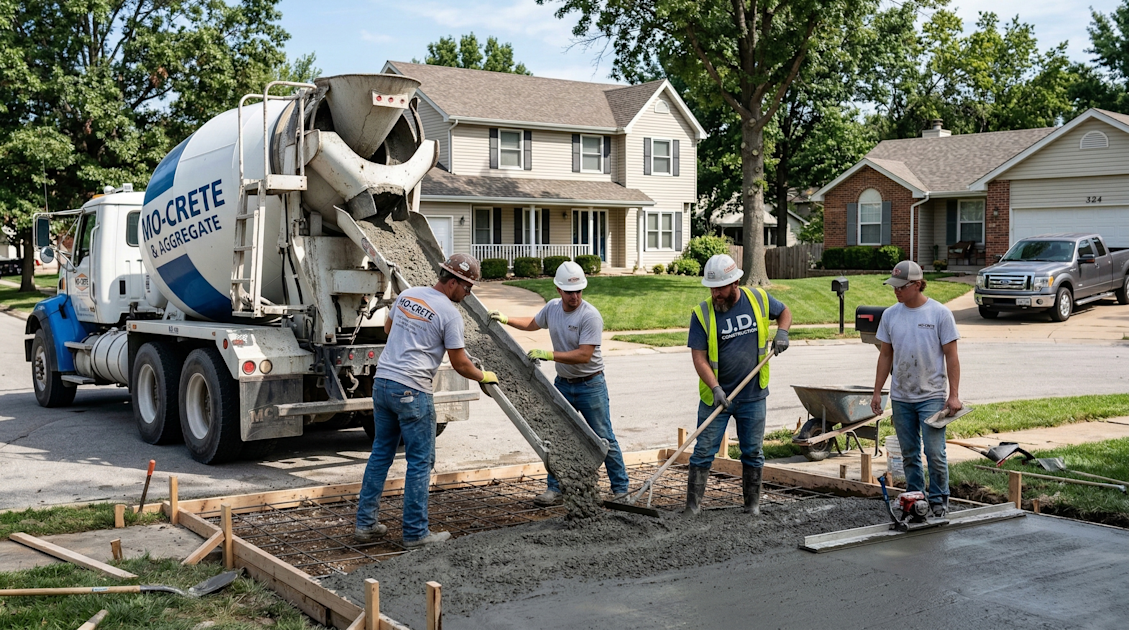


When planning any construction or landscaping project, one of the most crucial questions you'll face is: "How much concrete do I need?" Whether you're building a patio, laying a foundation, or crafting decorative features, getting the correct amount of concrete is vital. Adequate preparation can save you time, money, and a whole lot of future headaches. In this guide, we will explore determining the amount of concrete you require, including valuable tips and considerations to ensure your project is a success.
Understanding Concrete and Its Usages
Concrete is a composite material composed primarily of water, aggregate (crushed stone, sand, or gravel), and cement. Known for its durability and versatility, concrete is used in various construction works. Understanding its applications is crucial to estimate how much you need accurately.
Key Uses of Concrete
- Foundations: The base of structures, from small sheds to towering skyscrapers.
- Driveways and Paths: Provides a stable and durable surface.
- Floor Slabs: Common in garages, basements, and even entire homes.
- Retaining Walls: Essential for landscaping and preventing soil erosion.
- Patios and Outdoor Spaces: Create beautiful, functional exterior living areas.
Calculating Concrete Needs: The Basics
Before you embark on your project, have a clear understanding of the dimensions and design of your project. Calculating concrete needs typically involves measuring the area, determining the volume, and considering mix and wastage.
Measure Your Space
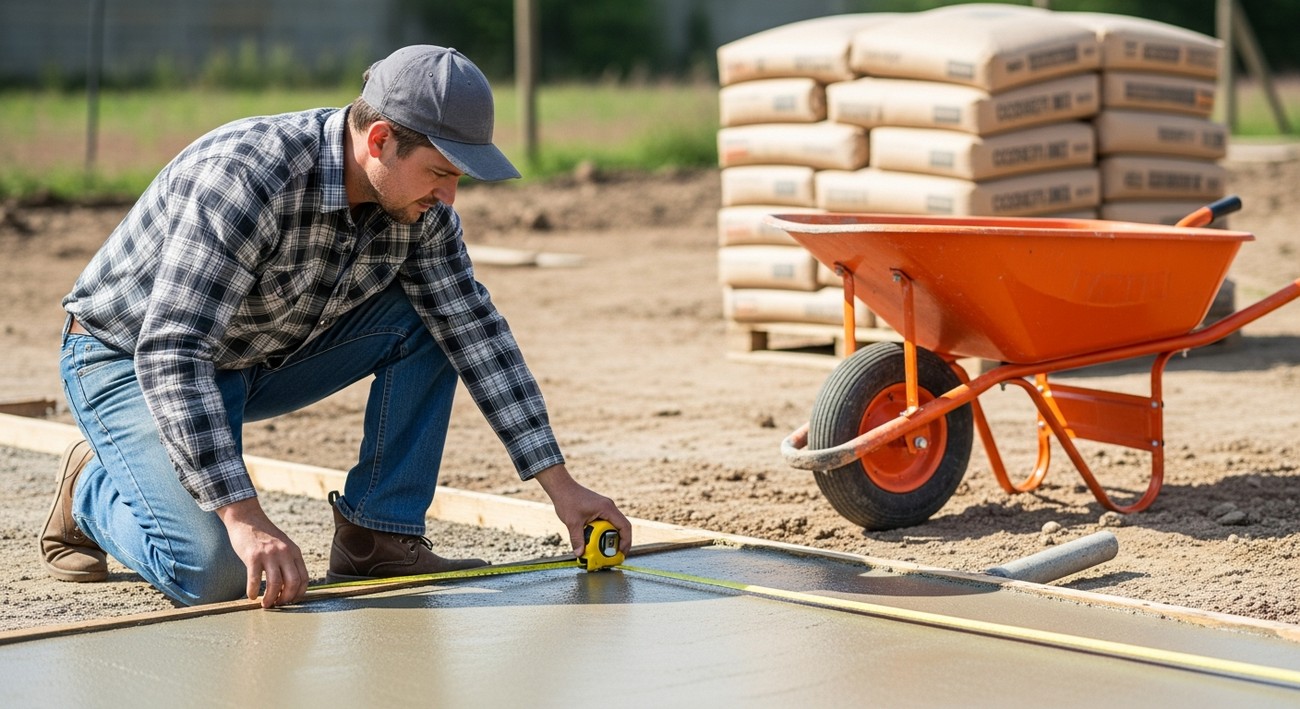
- Determine Length and Width: Be as precise as possible. Use a tape measure or laser measuring tools for accuracy.
- Calculate Depth: Standard depth can vary depending on the project. For example, a slab might need to be 4 inches thick, while foundations might require 8 inches or more.
Volume Calculation
Concrete is typically sold by the cubic yard, so you'll need to calculate the volume in cubic yards. Here’s how:
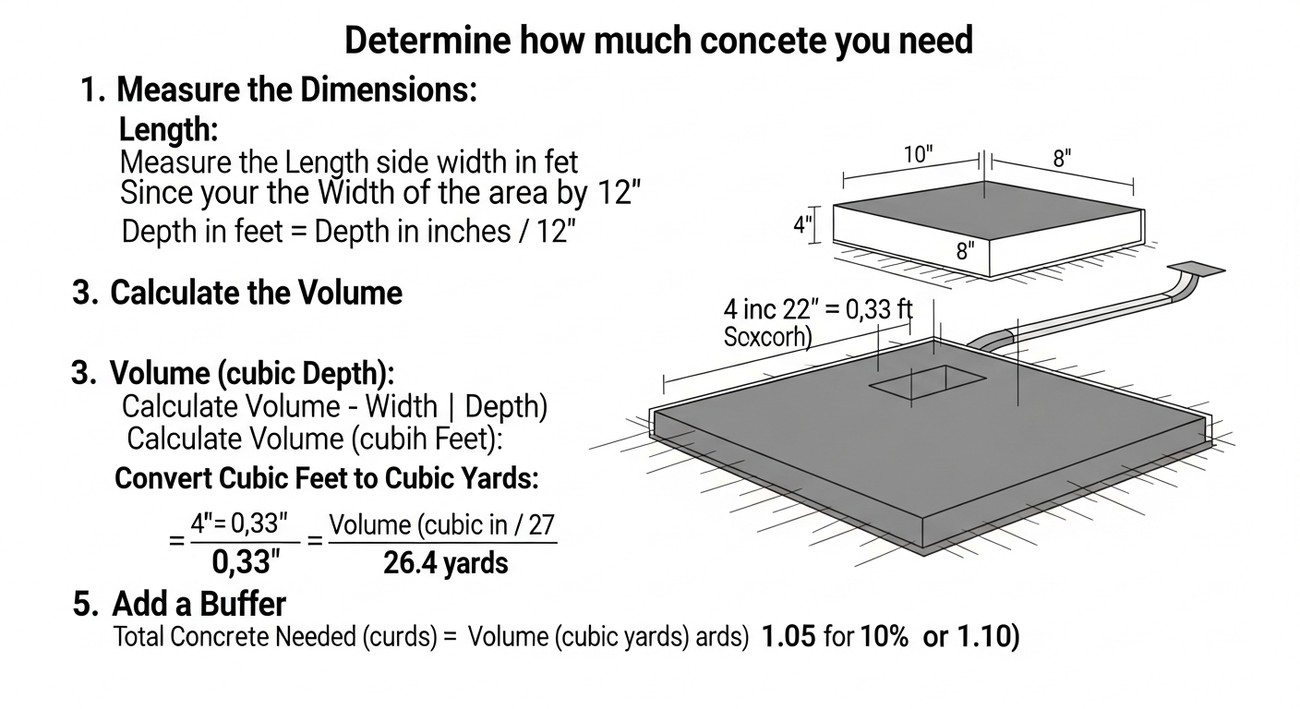
- For Slabs: Multiply the length (ft) × width (ft) × depth (ft). Convert your answer into cubic yards by dividing by 27 (since there are 27 cubic feet in a cubic yard).
Volume Calculation Example
If you're pouring a rectangle patio that measures 10 feet long and 10 feet wide with a depth of 4 inches:
- Convert the depth to feet: 4 inches = 0.333 feet.
- Calculate:( 10 , \text{ft} \times 10 , \text{ft} \times 0.333 , \text{ft} = 33.3 , \text{cubic feet} ).
- Convert to cubic yards: (33.3 , \text{cubic feet} \div 27 = 1.23 , \text{cubic yards} ).
Consider Room for Error
Include Some Extra
Always round up when ordering concrete, as having slightly more is better than running short mid-project. Concrete can be lost in various processes, including settling and spillage. Consider adding an additional 10% to your concrete order to cover these factors effectively.
Types of Concrete Mix
Choosing the right concrete mix can also affect how much material you need. Mixes can vary in terms of strength and composition.
- Standard Mix: A common choice for most residential applications.
- High-Strength Mix: Ideal for structural components requiring extra durability.
- Quick-Setting Mix: Useful for small projects or repairs that need fast turnaround.
Tips for Ordering Concrete
- Reputable Suppliers: Order from a trusted supplier to ensure quality and reliability.
- Timely Delivery: Schedule delivery to align with when you are ready to pour.
- Weather Conditions: Be mindful of weather as it can affect how concrete sets. Ideally, work on mild, dry days.
Preparing for Concrete Pouring
- Gather Tools: Have all your tools and safety equipment ready, including trowels, floats, and safety gear.
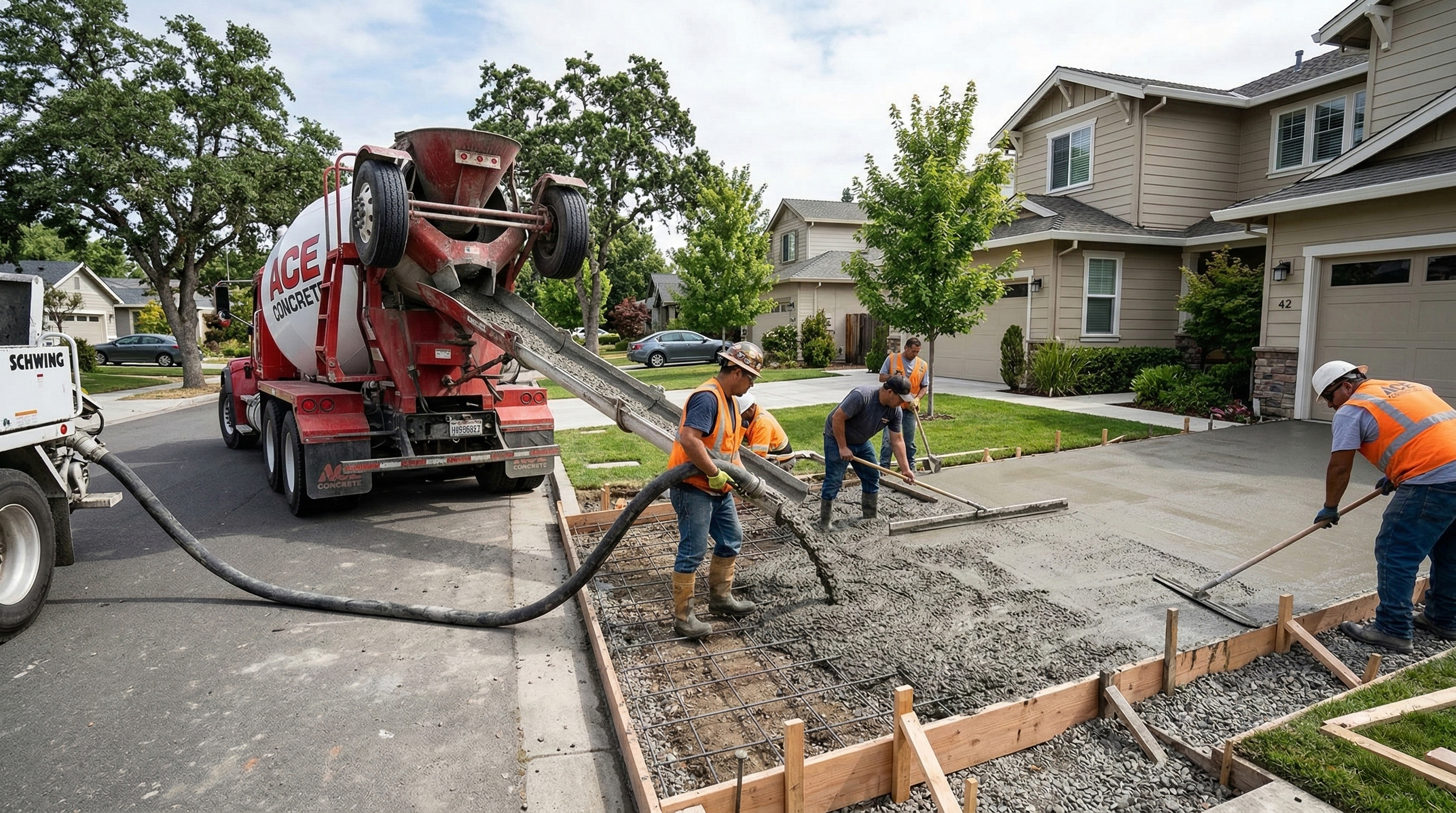
- Site Preparation: Ensure the site is properly prepared, and all formwork is securely in place before the concrete arrives.
- Team Coordination: Ensure your team knows the plan to execute the pour efficiently, and avoid mistakes.
How Much Concrete Do I Need? FAQ
How do I calculate the amount of concrete required for my project?
To determine the amount of concrete you'll need, start by calculating the volume of the space to be filled. For a rectangular area, multiply the length, width, and thickness in feet to compute cubic feet, then divide by 27 to convert to cubic yards, as concrete is often sold by the cubic yard. Consider adding a little extra to account for potential spillage or errors in calculation.
Why should I add extra concrete to my calculation?
Adding extra concrete to your calculation is crucial to avoid shortfalls. Factors such as uneven terrain, waste, or mistakes in measurement can lead to needing more than your initial estimate. Generally, adding about 10% extra should cover these unforeseen issues.
Can I use a concrete calculator to help figure out how much I need?
Yes, a concrete calculator can simplify the process of figuring out how much concrete is needed. These tools are available online and typically require you to input your project's dimensions and desired thickness. The calculator will then estimate the amount of concrete needed. It's a reliable method to double-check your manual calculations.
What factors should I consider when calculating how much concrete is needed?
Consider several factors when calculating how much concrete you need: the shape and size of the area, the required thickness for structural integrity, and any additional features like footings or borders. Also, account for any planning requirements, such as building codes that might dictate minimum thickness levels.
How much concrete do I need for a concrete slab or patio?
For a concrete slab or patio, you'll generally want at least four inches in thickness. Measure the length and width, and multiply these by the thickness to find the volume in cubic feet. Convert this number to cubic yards for ordering. Remember to make adjustments if the slab is thicker or if the ground is uneven.
Is there a difference in concrete needs for footings compared to slabs?
Yes, footings often require more concrete than slabs due to their need for additional strength and support. Footings typically have a greater thickness and depth. When calculating, measure the width, length, and depth specific to footings separately from slab areas to ensure accuracy in your estimates.
How much concrete do I need for a post hole?
For post holes, determine the concrete volume by measuring the diameter and depth. A common practice is to use a sonotube for accurate measurements. Calculate the volume in cubic feet, then convert to cubic yards. Include more concrete if the soil is loose and may expand under pressure.
Do I need to adjust how much concrete I need based on weather conditions?
Weather conditions can indeed affect how much concrete you'll need. In hotter climates, concrete may shrink slightly as it sets due to evaporation. Consider adding a little extra to ensure coverage. Additionally, wet conditions might make your measurements less predictable, requiring adjustments.
How can I minimize waste when determining how much concrete is needed?
To minimize waste, double-check all measurements and use precise calculating tools. Consider hiring professionals for larger projects if you’re unsure about your calculations. Ensure your site is well-prepped and pour concrete in manageable sections to reduce excess from errors or rapid setting.
How much concrete should I order if I'm using premixed bags?
When using premixed concrete bags, determine how many cubic feet each bag covers. Bags typically list this information. Calculate the total volume needed and divide by the volume each bag provides to find the total number of bags required, adding a margin for safety.
Should I consider any specific concrete mix ratio that might affect how much concrete I need?
The mix ratio can impact the volume of concrete. For high-strength requirements, more cement is needed, potentially altering the volume slightly. Consult with local building standards or professionals about the appropriate mix ratio for your project to ensure that your volume calculations remain accurate.
How do I deal with leftover concrete after calculating how much I need?
Plan for leftover concrete by having pathways or smaller projects ready to use any excess, reducing waste. You can also donate extra concrete to local community projects or recycle it. Always ensure that leftover concrete is disposed of responsibly in line with local regulations.
Step-by-Step Guide
Tools/Materials Needed
- Measuring tape
- Calculator
- Concrete mix (bags or bulk)
- Volume conversion chart or formula reference
- Pencil and notepad
- Wheelbarrow or concrete mixer
- Trowel
- Level
Preparation Steps
Identify the Project Dimensions: Before you start, determine the specific dimensions of your project. Measure the length, width, and depth of the area to be filled with concrete; these measurements will form the basis of your volume calculations.
Choose Your Concrete Mix: Decide on the type of concrete mix that suits your project. Different mixes are available for different strengths and applications, so make sure to choose the one that best fits your needs.
Gather Tools: Collect all the necessary tools. Make sure your measuring tape and calculator are functioning correctly to ensure accuracy.
Detailed Instructions
Measure the Area: Use the measuring tape to accurately measure the length, width, and depth of the area where the concrete will be poured. Record these measurements on your notepad for easy reference.
Calculate Volume:
- Rectangular or Square Slabs: Multiply the length by the width by the depth (in feet) to find the cubic feet. Then convert cubic feet to cubic yards, since concrete is typically sold by the cubic yard. Use the formula: ( \text{Cubic Yards} = \frac{\text{Cubic Feet}}{27} ).
- Circular Slabs: For circles, use the formula: ( \text{Volume} = \pi \times (\frac{\text{Diameter}}{2})^2 \times \text{Depth} ) and then convert to cubic yards.
Account for Waste: Add 10% to your volume calculation to account for spillage or settling, as this will ensure you have enough material. Concrete is heavy, so it's better to have a little extra than to come up short.
Convert to Bags: If you are using bagged concrete, refer to the product’s packaging to understand how many cubic yards each bag covers. Calculate how many bags you’ll need based on your volume plus waste calculation.
Purchase the Concrete: Now that you have your total amount as either cubic yards or bags, purchase your concrete. It’s wise to consult with store associates if you have any questions about the type or amount you need.
Mix and Pour: Use your concrete mixer or wheelbarrow to mix as per the instructions provided by the manufacturer. Pour the concrete into your prepared area, and use a trowel and a level to spread and smooth the surface.
Tips for Success
- Double Check Measurements: An inch here or there can drastically change your volume requirements, so ensure precision in your measurements.
- Order from a Reputable Supplier: If you're ordering ready-mix concrete, choose a reputable supplier to avoid issues with quality or delivery.
- Consider Temperature: Concrete sets faster in hot weather and slower in cold. Plan your pour accordingly to avoid premature setting or delayed curing.
What to Do If Something Goes Wrong
- Shortage of Concrete: If you run out of concrete mid-project, quickly order more to minimize differences in setting time and strength. Cover what you've poured with plastic to retain moisture.
- Excess Concrete: If you have leftover concrete, use it for small projects like stepping stones, or contact a local recycling facility that accepts concrete.
- Uneven Surface: If the surface isn't even, use a trowel to adjust and a level to check flatness. Adjust quickly before the concrete begins to set.
Common Mistakes to Avoid
1. Underestimating the Amount of Concrete Needed
Why This Mistake Happens: Often, individuals miscalculate the volume or area that needs to be covered. The dimensions might not be measured accurately, or conversions between different units may lead to errors.
How to Avoid It: Double-check your measurements and ensure you’re calculating the volume accurately. Use a reliable online concrete calculator and seek guidance from concrete suppliers if needed.
What to Do If You’ve Already Made the Mistake: Immediately assess the shortfall and order additional concrete. Notify your concrete supplier about the urgency to minimize any project delays.
Expert Recommendations: Always calculate an extra 5-10% over your initial requirements to account for potential estimating errors and waste.
2. Ignoring Project-Specific Factors
Why This Mistake Happens: People often overlook unique project elements such as the subgrade condition, concrete thickness, and reinforcement needs, which affect quantity requirements.
How to Avoid It: Consider all project-specific details when calculating concrete needs. Consult with an engineer or professional if unsure about the factors impacting your project.
What to Do If You’ve Already Made the Mistake: Re-evaluate your project plan to include these factors. Adjust your order quantities in accordance with professional advice.
Expert Recommendations: Engage with a construction expert to review your project blueprint and highlight any special considerations before ordering.
3. Forgetting to Factor in Waste
Why This Mistake Happens: In the eagerness to control costs, waste and spillage are often overlooked during calculation, leading to insufficient concrete orders.
How to Avoid It: Estimate a minimum extra 10% in your concrete order to cover any waste or unforeseen needs during pouring.
What to Do If You’ve Already Made the Mistake: Assess the amount of concrete used versus the total area. If more is needed, communicate with your supplier quickly for another delivery.
Expert Recommendations: Always plan for waste. Discuss with your contractor or supplier to gauge standard rates of wastage for your specific project type.
4. Misjudging Concrete Set Speed
Why This Mistake Happens: Without understanding the setting times of different concrete mixes, people may order and pour too much at once, leaving some sections improperly set.
How to Avoid It: Familiarize yourself with the set times for the chosen mix. Stage your pours accordingly, especially for larger projects, to manage setting times effectively.
What to Do If You’ve Already Made the Mistake: Identify and address any sections that might not set properly. If necessary, consult with a professional to assess whether any corrective measures are needed for structural integrity.
Expert Recommendations: Work with a professional to plan out staging and timing, ensuring you’re using a mix well-suited for your climate and project size.
5. Overlooking Weather Conditions
Why This Mistake Happens: Concrete projects can be hampered by unplanned weather changes, which aren’t always considered during planning stages.
How to Avoid It: Check the weather forecast before scheduling your concrete pour and adjust plans if needed to avoid rain, extreme temperatures, or high winds.
What to Do If You’ve Already Made the Mistake: Cover poured concrete with tarps or climate-controlled covers to prevent damage from unexpected weather.
Expert Recommendations: Maintain flexibility in your schedule to accommodate weather changes. Engage a weather expert or use a reliable forecasting service for construction planning.
6. Miscommunicating with Suppliers
Why This Mistake Happens: Miscommunication or misunderstanding during the placing of orders can lead to wrong deliveries or incorrect quantities.
How to Avoid It: Clearly articulate your needs and double-check your order details with your supplier. Ensure everyone is on the same page about the project specifics, including delivery times and address.
What to Do If You’ve Already Made the Mistake: Contact your supplier immediately to rectify the situation. They can often make quick adjustments or suggest solutions.
Expert Recommendations: Establish a solid communication plan with your supplier, including regular check-ins and confirmations of order details before delivery.
7. Disregarding Additives and Their Impact
Why This Mistake Happens: Ignoring the specifications and the impact of additives like accelerants or retarders can alter the amount of concrete needed.
How to Avoid It: Understand how additives affect volume and setting times. Discuss with your supplier how these additives should influence your quantity and planning.
What to Do If You’ve Already Made the Mistake: Consult with your supplier or construction expert to determine if adjustments can be made to the mix or additional additives are required.
Final Thoughts
Understanding how much concrete do I need? is crucial for any successful project, whether you’re pouring a driveway, building a patio, or creating a foundation. Take the time to measure your space accurately and consider the thickness required for your specific application. Keep in mind that factors like subsoil conditions and drainage might also play a role in your calculations, especially here in Kansas City, MO, where weather can impact your concrete’s performance.
If you’re feeling overwhelmed or unsure, we’re here to help! At US Quality Construction, we specialize in concrete projects and can guide you through the process, ensuring you order exactly what you need. Don’t hesitate to reach out to us to schedule a consultation or request a free estimate. Let’s make your concrete project a reality together!
Tags: construction, DIY, concrete calculation,