

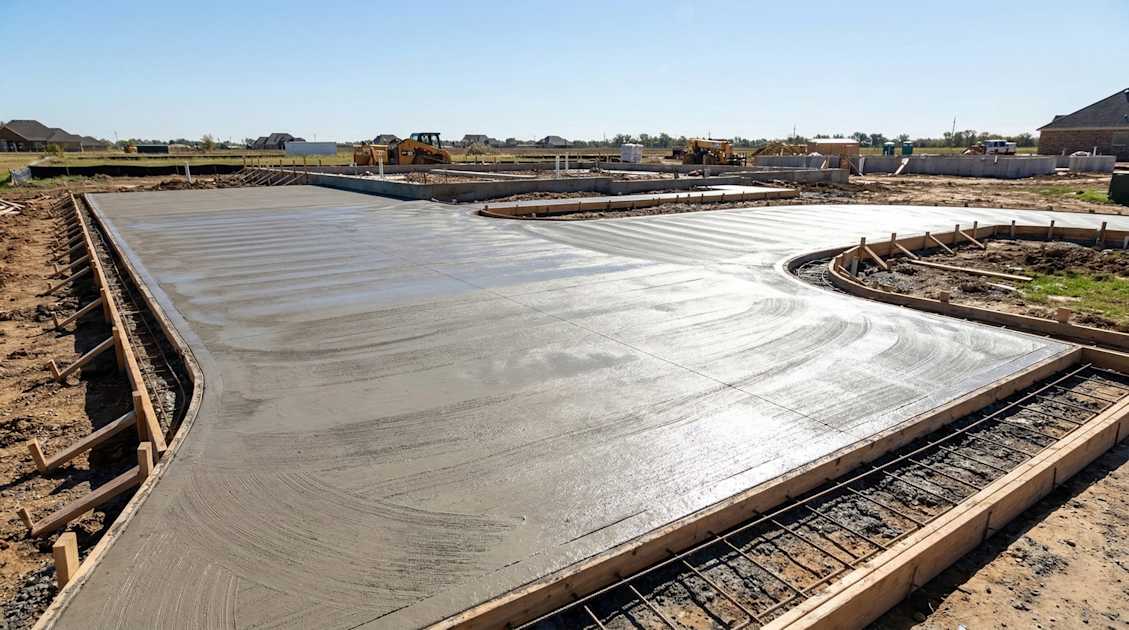


When tackling a concrete project, one of the most pressing issues to ensure a successful outcome is understanding how long it takes for concrete to dry. Knowing the drying time can help in planning the project better, preventing costly mistakes, and achieving the desired durability and aesthetics. In this article, we'll explore the essential aspects of concrete drying time, factors influencing it, and tips for optimizing the process.
Understanding Concrete Drying vs. Curing
Before we delve into drying time, it is crucial to distinguish between drying and curing. Curing is the process of maintaining adequate moisture, temperature, and time to allow the concrete to achieve its desired strength. In contrast, drying refers to the evaporation of water used in the concrete mixture. Concrete can take several weeks to cure fully, but drying times can be shorter.
Typical Drying Times for Concrete
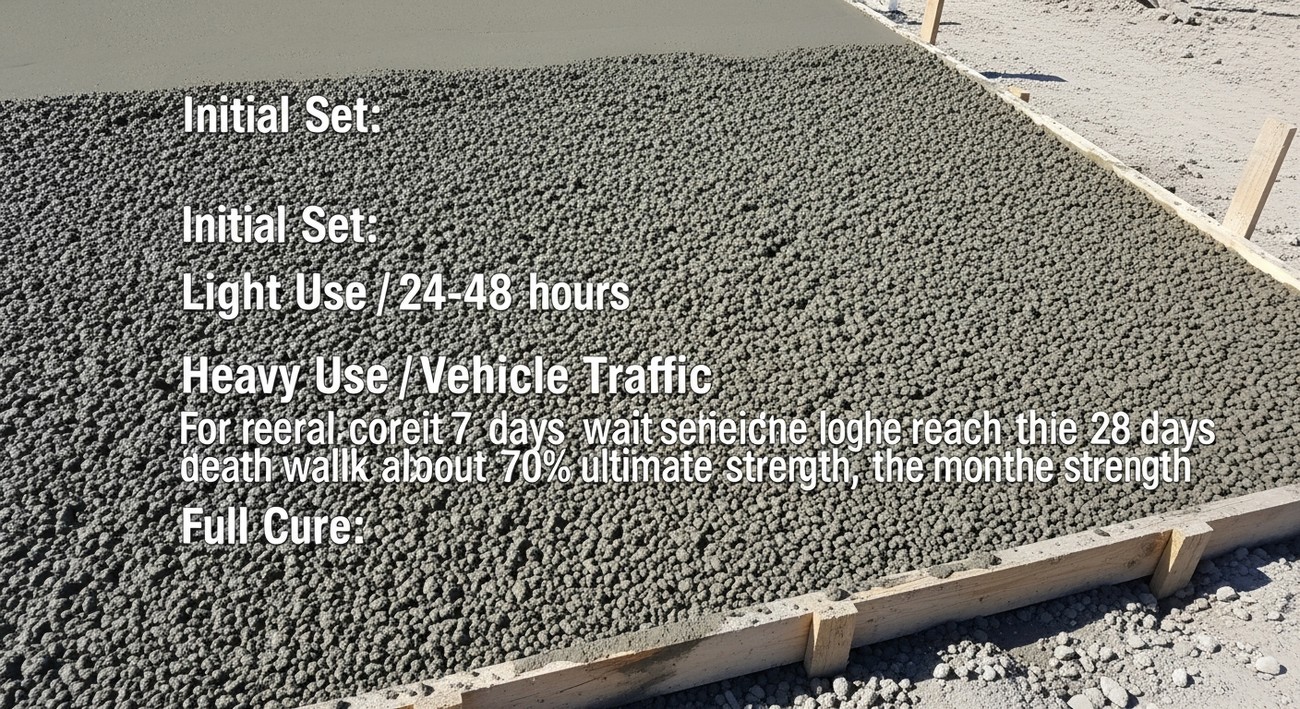
Under optimal conditions, concrete typically takes about 24 to 48 hours to set enough for you to walk on it and a solid 7 days to achieve partial strength. However, it can take up to 28 days to reach its full strength. This timeline can vary based on factors such as:
- Temperature and humidity
- Concrete mix and additives
- Slab thickness and size
Factors Influencing Drying Time
Weather Conditions
Weather significantly impacts drying time. Hot, dry conditions expedite evaporation, possibly leading to cracking if not managed, while cold, damp conditions can slow the process. It's advisable to pour concrete when temperatures are between 50°F and 90°F.
Concrete Mix Variations
Concrete mixtures are often customized for specific applications. Standard mixes may comprise Portland cement, water, and aggregates. Special additives or variations such as accelerators or retarders influence drying and curing times.
Thickness and Size
Thicker slabs naturally require more drying time. A general rule is that concrete takes roughly 1 month per inch of thickness to dry completely. Larger surface areas also necessitate longer drying periods.
Tips for Fast and Even Drying
Ensuring that your concrete dries properly is instrumental to its longevity and performance. Here are some actionable tips:
- Use a dehumidifier: In enclosed spaces, a dehumidifier can remove excess moisture and speed up drying.
- Utilize fans: Enhancing air circulation with fans can help evaporate moisture more uniformly.
- Control water content: Avoid overly wet mixes to prevent prolonging drying time.
- Cover the surface: Protect the concrete from rain or wind with tarps to maintain ideal drying conditions.
Steps for Monitoring Drying Progress
Amateur and professional builders alike need to monitor the progress of concrete drying. This ensures that construction can continue at the appropriate strength thresholds:
- Visual Checks: Look for surface water pools and cracks which suggest uneven drying.
- Moisture Meters: Use specialized tools to measure moisture content in the slab regularly.
- Gradual Stress Tests: Apply incrementally heavier loads until reaching desired load-bearing capacities.
Types of Concrete and Their Specific Drying Times
Quick-Set Concrete
This type usually contains additives that accelerate the setting process, typically drying within 4 to 6 hours. While convenient for small repairs or quick projects, ensure the setting is complete before heavy usage.
High-Performance Concrete
Engineered for strength, high-performance concrete might include fly ash or silica fume, extending drying times but enhancing durability. Expect traditional curing times but allow additional drying considerations based on environmental conditions.
Practical Applications and Consideration
Whether you're laying a new patio, pouring a driveway, or building a foundation, understanding concrete drying times helps in the following ways:
- Budgeting for time: Accurately plan project timelines to avoid rushed decisions or improper load bearing.
- Material usage: Choose concrete types suited to your schedule and environmental constraints.
- Safety assurance: Prevent the risk of premature structural stress, which could lead to damage or injury.
How Long Does It Take for Concrete to Dry? Frequently Asked Questions
What factors influence how long it takes concrete to dry?
The drying, or curing, time of concrete can be influenced by several factors. The mixture composition, including the types and proportions of cement, water, and aggregates, plays a significant role. Environmental factors, such as temperature and humidity levels, are also critical. Higher temperatures and lower humidity generally accelerate drying. The size and shape of the concrete structure can affect the drying time as well, with thicker sections taking longer to cure. Additionally, proper curing techniques, like using moist curing blankets or applying curing compounds, can significantly influence the drying process.
Can I walk on concrete before it’s fully dry?
While you might be eager to walk on your newly poured concrete, doing so too soon can damage it. Typically, concrete reaches a stage called "set" within 24 to 48 hours, allowing foot traffic to be resumed. However, this does not mean the concrete has achieved full strength or dryness. For better results, it’s advisable to wait at least a week before subjecting the surface to any kind of moderate foot traffic, as concrete typically achieves about 70% of its strength during this period.
How can weather conditions affect concrete drying time?
Weather conditions such as temperature, wind speed, and humidity profoundly affect how quickly concrete dries. Ideal conditions for concrete to dry and cure are moderate temperatures with no harsh winds—between 50-90 degrees Fahrenheit with around 50% humidity. Cold weather can significantly extend drying time, while very dry and hot conditions can cause the moisture to evaporate too quickly, leading to cracks. In such cases, adding a curing compound or covering the concrete with moist blankets can help manage moisture loss.
Is there a difference between drying and curing when it comes to concrete?
Yes, there is a critical difference between drying and curing of concrete. Drying refers to the point when the surface is dry enough to walk on or use, usually after a day or two. Curing, however, is an ongoing process in which the concrete fully gains its strength. Proper curing takes about 28 days, and during this period, maintaining adequate moisture is necessary to achieve the desired strength and durability of the concrete.
Can accelerating admixtures speed up the concrete drying process?
Accelerating admixtures can indeed expedite the setting and early strength gain of concrete, which might be necessary in colder environments or when the removal of forms is needed sooner. However, while these admixtures might reduce the drying period, they do not replace the complete curing process. It's crucial to follow the mix designer's recommendations to maintain balanced strength and avoid compromising the structural integrity of the concrete.
How long should I wait before painting or sealing new concrete?
Before painting or sealing, it's essential to ensure that the concrete is fully cured. Painting or sealing too early can trap moisture, leading to peeling and poor adhesion of the paint or sealant. Typically, you should wait at least 28 days for the concrete to cure completely. However, testing the surface for moisture content can provide a more accurate assessment of whether it is ready for treatment.
When is concrete ready for vehicle traffic?
Concrete is generally ready for light vehicle traffic after approximately a week. It reaches about 70% to 75% of its full strength by this time. Nevertheless, for more intensive usage or heavier vehicles, such as trucks, it is advisable to wait at least 28 days to ensure that the concrete is fully cured and has maximized its compressive strength to endure such loads.
How can I tell if my concrete is dry enough?
While time guidelines, such as 24 to 48 hours for light foot traffic and 7 days for more expansive or heavier use, are helpful, they do not guarantee dryness. Conducting a moisture test, such as a calcium chloride test or an RH probe test, can provide a more precise measure of moisture levels in the concrete. These tests can help ensure the concrete is dry enough for subsequent processes, such as sealing or flooring installation.
Common Myths
Myth 1: Concrete Dries Completely in 24 Hours
Reality
One of the most widespread misconceptions is that concrete will be fully dry and completely ready for use in just one day. In reality, concrete doesn’t truly "dry" — it hardens through a chemical process known as hydration, which bonds the materials together within the mix. While freshly poured concrete can set to the point where you can walk on it within 24 to 48 hours, this does not mean it has achieved full strength or is completely cured.
Complete curing usually takes around 28 days, during which the concrete achieves full strength. This extended period is necessary because hydration is a slow-acting chemical reaction that continues long after the surface feels hard.
Myth 2: The Harder the Surface, the Stronger the Concrete
Reality
It’s easy to equate a hard surface with strength, but this can be misleading. While a firm surface might indicate the initial setting of concrete, it doesn’t mean the concrete has developed its full load-bearing capacity. Surface hardness can be affected by environmental factors like temperature and moisture levels. The strength of the concrete continues to develop over weeks due to ongoing hydration below the surface.
Myth 3: Hot Weather Accelerates Drying, Making the Process Faster
Reality
While it might seem logical to think that hot weather speeds up the drying process, it can actually hinder proper curing. High temperatures can cause the water within the mix to evaporate too quickly, leaving the hydration process incomplete and potentially leading to cracks or a weaker final product. Conversely, optimum curing conditions involve a balance of temperature and moisture, often aided by covering the concrete with a curing blanket or plastic sheet to retain moisture.
Myth 4: Rain Will Ruin Fresh Concrete
Reality
Rain can be concerning when it falls on freshly poured concrete, but it's a myth that it will automatically ruin the surface. However, it is critical to differentiate between concrete that has just been poured and concrete that has had a chance to partially set. If the rain occurs too soon, it can wash out some of the cement, affect the surface finish, and cause uneven texture or compromise durability. But if the concrete has reached initial set (usually a few hours after pouring), then light rain is unlikely to cause serious damage. Protective covers like tarps are often used as a precautionary measure.
Myth 5: Thicker Concrete Dries Slower
Reality
It's tempting to believe that thicker concrete slabs would dry more slowly due to their size. However, drying or curing is not simply a matter of evaporation from the surface but a chemical reaction occurring throughout the mass. Hence, the curing time is primarily a function of the mix type and environmental conditions rather than thickness. That said, larger masses of concrete are more prone to cracking if not cured properly due to internal stress from uneven curing and temperature gradients.
Myth 6: Concrete Will Keep Drying and Strengthening Indefinitely
Reality
Another misconception is that concrete will continue to strengthen endlessly as long as there is moisture. While hydration could potentially continue for an extended time if conditions allow, the practical reality is that most concrete achieves the majority of its strength within the first 28 days. Strength gains after this period are marginal and typically of insignificant structural consequence. Hence, the intuitive notion of never-ending strengthening is not in line with practical construction wisdom.
Myth 7: Quick-drying Concrete Doesn’t Need Proper Curing
Reality
Modern construction sometimes uses rapid-set or quick-drying mixes that reach initial set within hours. However, it is a myth that these types of concrete do not require adequate curing practices. Regardless of the type, concrete benefits from proper curing to ensure desired strength and durability. Curing not only enhances strength but also minimizes risks of cracks and surface defects. Thus, while these mixes set quickly, curing procedures should still be diligently followed.
Final Thoughts
Understanding how long does it take for concrete to dry is essential for ensuring the success of your project. Factors like weather conditions, humidity, and the mix used can all play a role in the drying timeline, typically taking anywhere from a few days to several weeks for full curing. Whether you're working on a new driveway or a patio in Kansas City, MO, knowing these details can help you plan accordingly and avoid any setbacks.
At US Quality Construction, we’re here to help you navigate your concrete needs with expertise and care. If you have further questions or are looking to start a project, don’t hesitate to reach out to us for a consultation or to request a free estimate. We’re dedicated to ensuring your concrete dries properly and looks fantastic for years to come.
Tags: concrete drying time, curing concrete, concrete setting time,